

12-day South Africa Itinerary: Cape Town, Kruger & Johannesburg
It feels like everyone is in South Africa right now, and honestly? I get it. This country has a way of pulling you in: the landscapes, the food, the history and the energy.
I spent 12 days exploring Cape Town, Kruger National Park, and Johannesburg, and I’m sharing my exact 12-day South Africa itinerary so you can steal it, tweak it, or just use it as a starting point. This trip had a bit of everything: adventure, relaxation, wildlife, wine and nightlife!
Without further ado, here is exactly what I did!
Disclaimer: This page contains affiliate links. If you book a stay or an activity, I earn a commission at no extra cost to you.
Day 1 — Arrival in Cape Town
Fly into Cape Town and check into your hotel, but don’t plan anything beyond that. Seriously.
You’ll probably be tired from travelling, and Cape Town isn’t going anywhere. Use this day to settle in, get your bearings, and maybe take a short walk around your neighbourhood. Grab an easy dinner somewhere nearby, get to bed at a reasonable hour, and save your energy for the days ahead.
Where to Stay: I spent a night at The Trade Boutique Hotel before moving to an Airbnb.
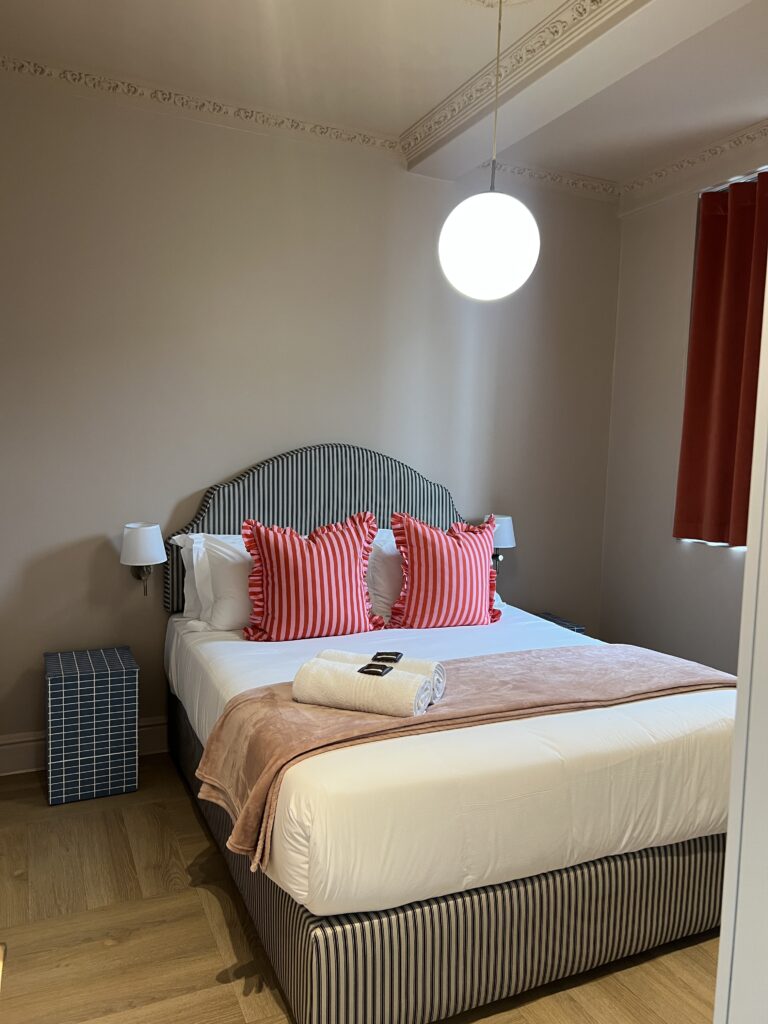
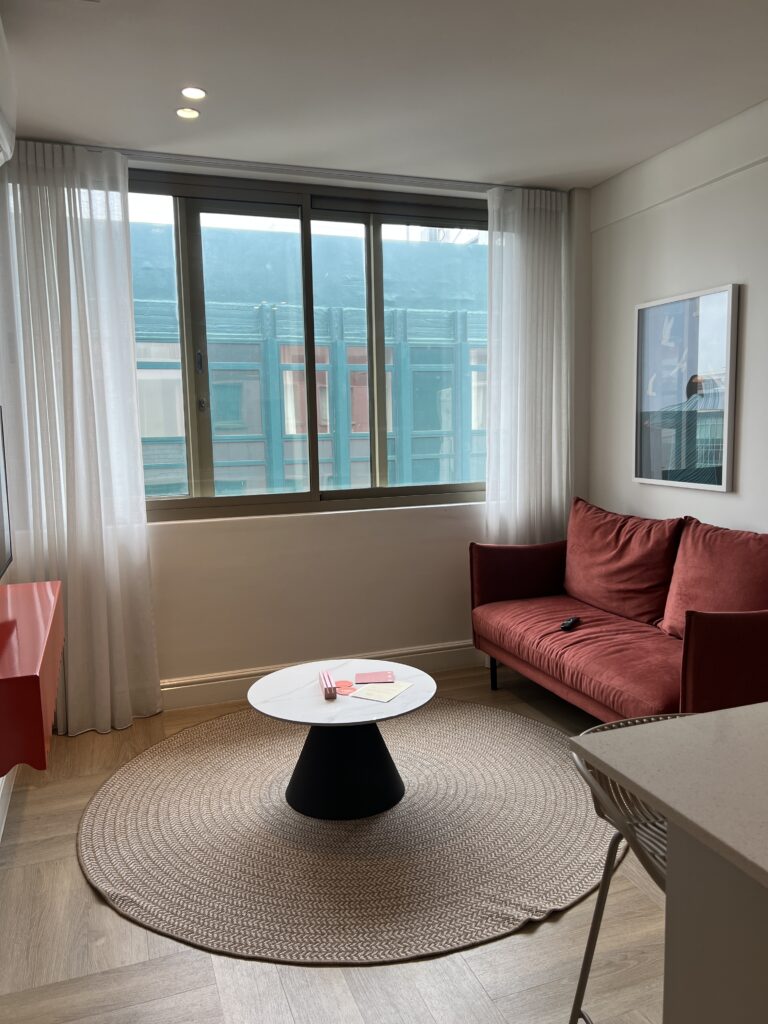
Day 2 — Waterfront, Art & Sunset on the Water
Start your first full day at the V&A Waterfront. It’s touristy in the best way, easy to walk around, plenty of coffee shops and restaurants, and gorgeous views of Table Mountain across the harbour. Spend the morning wandering, people-watching, and easing into the trip.
Then head to Zeitz MOCAA, the world’s largest Museum of Contemporary Art Africa. Even if you’re not usually a museum person, this one is worth your time. The building itself is a work of art. It’s a converted grain silo with these incredible carved-out spaces that make you stop and stare. The exhibitions are powerful, thought-provoking, and unlike anything you’ll see elsewhere.

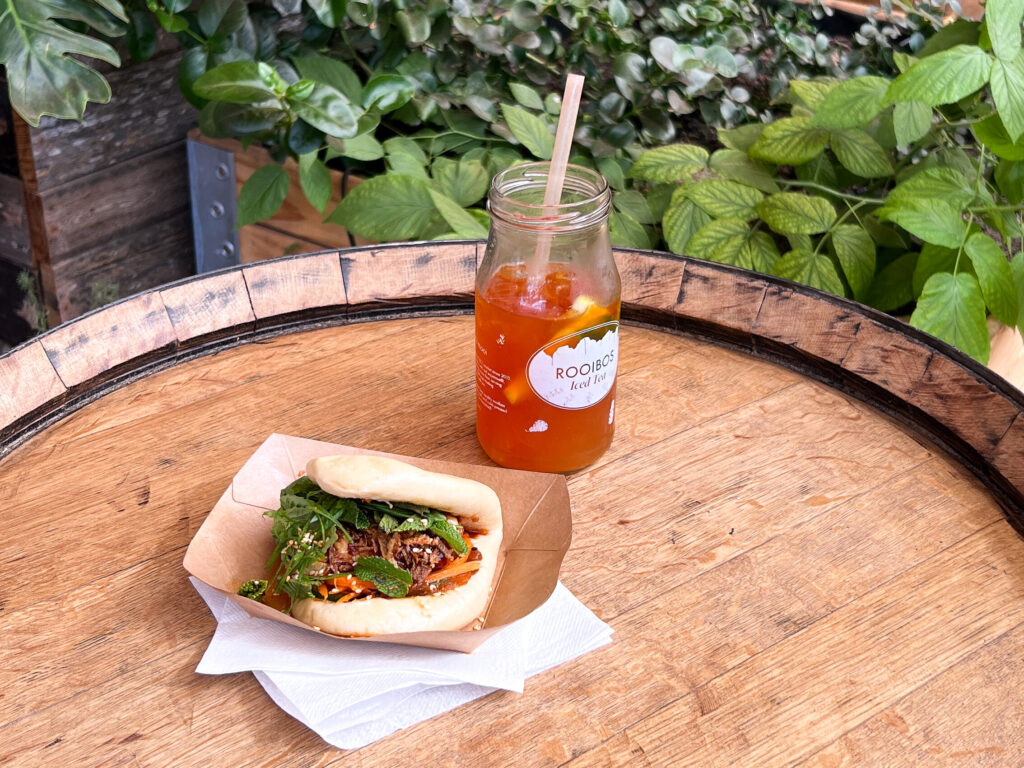
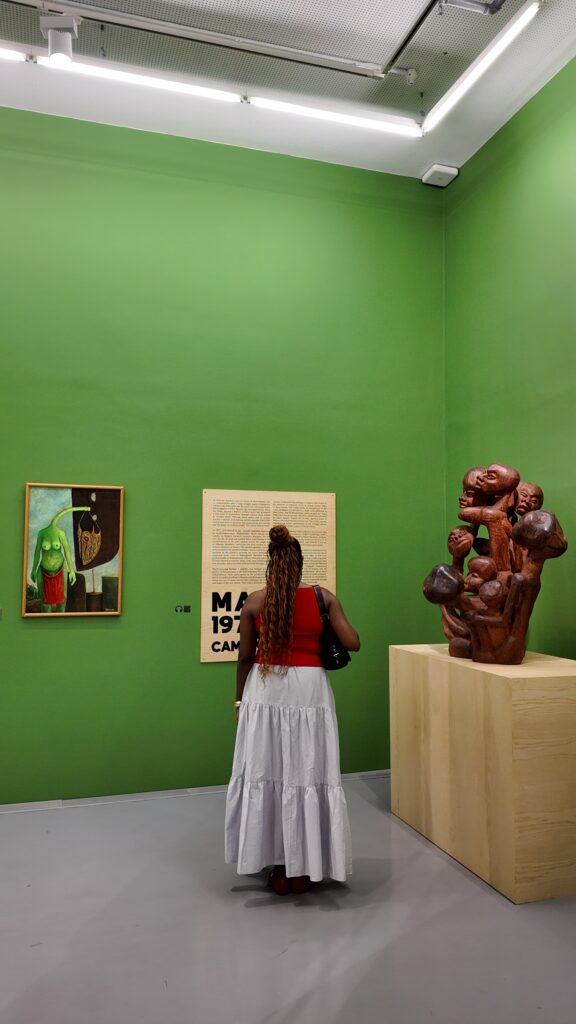
In the afternoon, make your way to the Oranjezicht City Farm Market for drinks and light bites. It’s relaxed, the food is excellent, and it’s a lovely way to spend a few hours before the evening.
End the day with a sunset cruise. Cape Town sunsets are breathtaking. All pinks and oranges reflecting off the water with Table Mountain in the background. It’s one of those moments where you sit there thinking, “Is this real?”
Tip: the boat can get rocky, especially when the wind picks up. If you’re prone to seasickness (like I am), take something beforehand or sit at the very back of the boat.
Where to Stay: I travelled with a friend who arrived on this day, so we moved to our shared Airbnb in the De Waterkant area, which had a stunning view of Table Mountain from our balcony.
Day 3 — Colour, History & Flexibility
Start early in Bo-Kaap, one of Cape Town’s most iconic and colourful neighbourhoods. The rows of brightly painted houses against the cobblestone streets make for stunning photos, but there’s real depth here too.
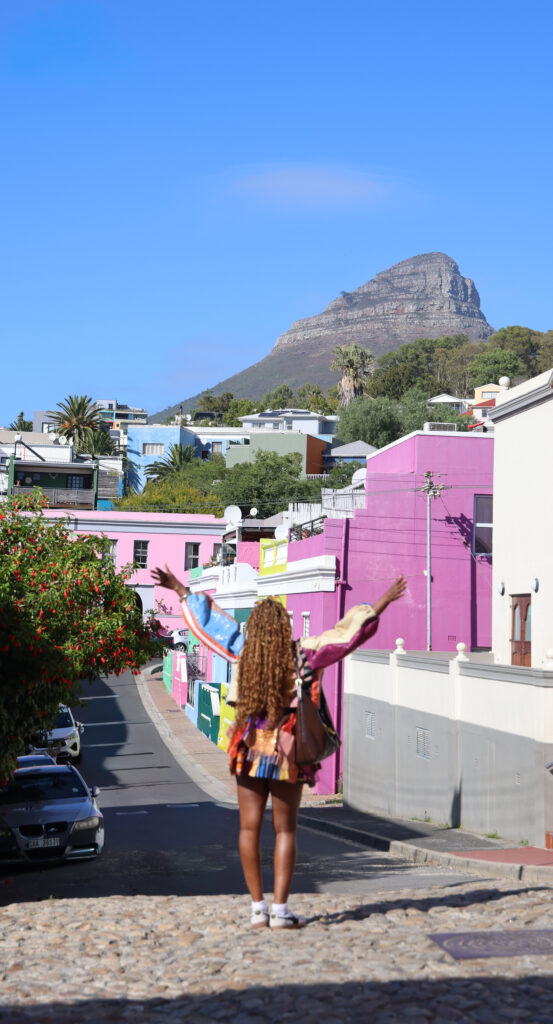
Bo-Kaap dates back to the 1760s, when it became home to enslaved people brought to the Cape from Southeast Asia, Africa, and other parts of the world. After emancipation, the community, many of whom were Muslim, stayed and built a vibrant cultural identity. The colourful houses are said to represent freedom and celebration after years of oppression. Walking through in the early morning, before the crowds arrive, feels respectful and grounding.
From here, you could head to Table Mountain, but stay flexible. Cape Town weather is unpredictable, and if visibility is poor, the views on the mountain won’t be worth it. The good news is that your cable car ticket is valid for seven days from the booking date, so you can easily move it to another day. Always give yourself a backup window for this one. You can book a ticket on the website, as hours vary by season.
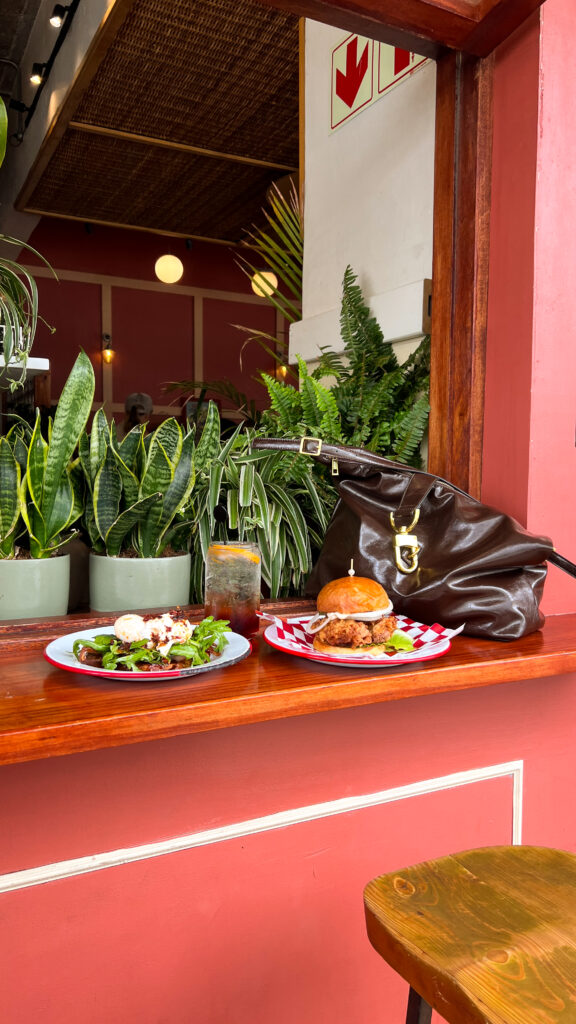
After your morning exploring, head to Sea Point, a trendy part of Cape Town and grab brunch at Maggy Lou’s. Then pick up a matcha from Nice to Matcha and take a walk along the Sea Point Promenade with the ocean on one side and the city on the other.
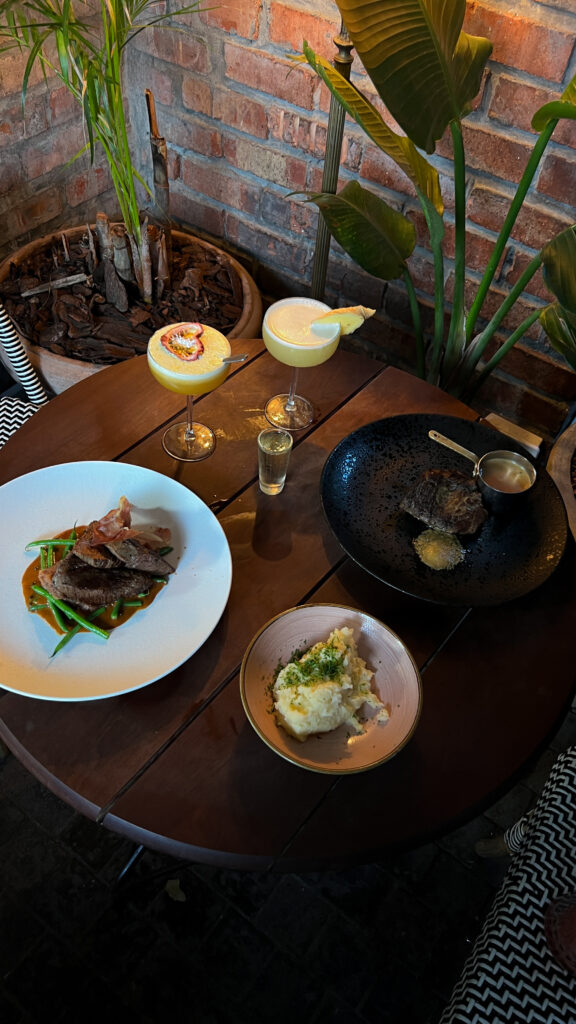
For dinner, Kloof Street House is a favourite for a reason. It’s located in an old Victorian house with fairy lights and a lush garden, and the food and service are consistently good.
Day 4 — The Cape Winelands
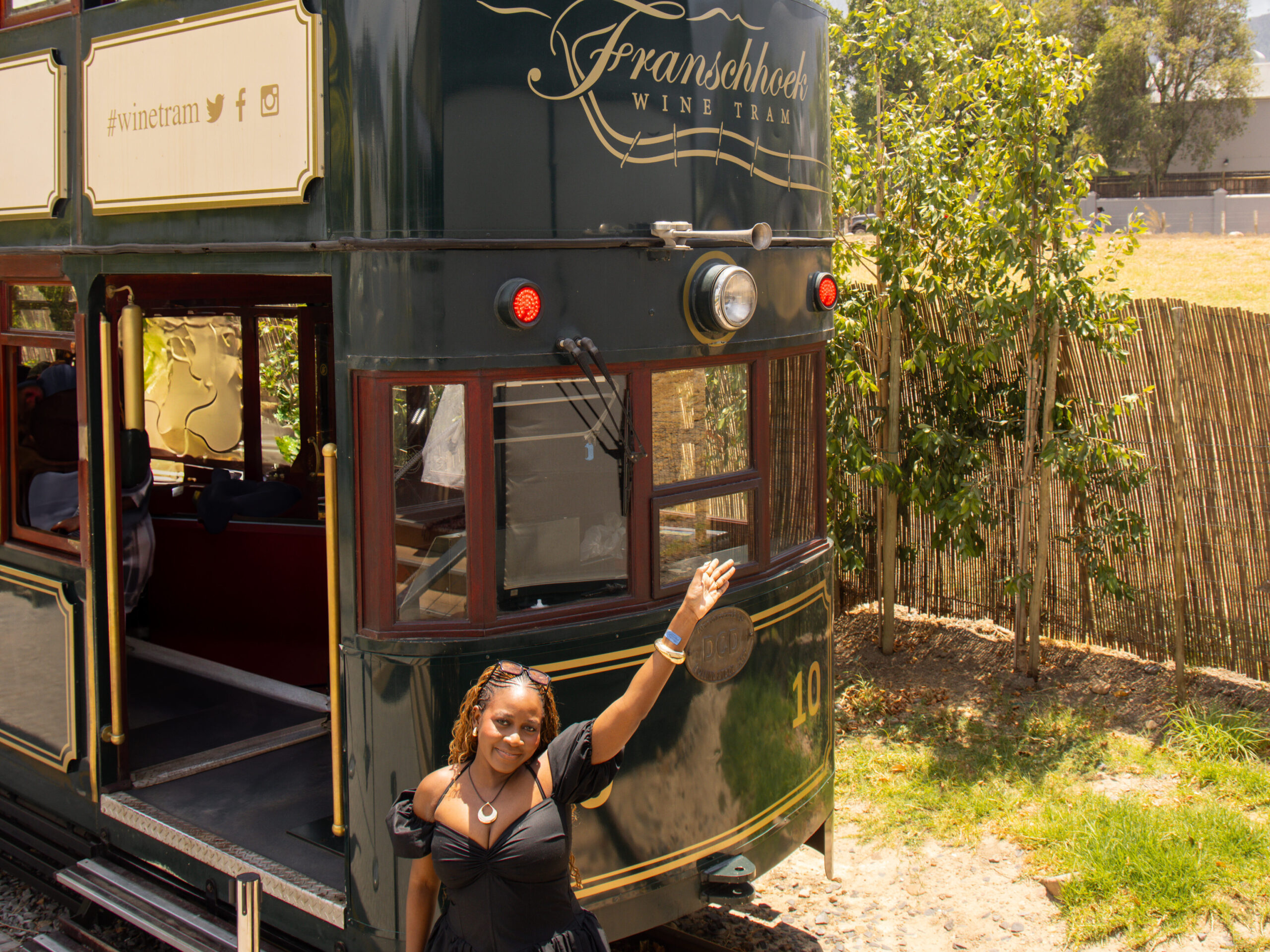
Today you’re heading to Franschhoek to experience the Wine Tram, about an hour and a half outside Cape Town. This is one of South Africa’s premier wine regions, and it’s absolutely stunning. Imagine rolling vineyards, dramatic mountains, and estates that feel like they belong in a film.
The key to enjoying the wine tram is not trying to do too much. Stick to three or four wine estates so you can actually savour the experience instead of rushing between tastings.
A few recommendations:
Klein Goederust: This one is a must. It’s the only fully Black-owned wine estate in Franschhoek, and the story behind it is as compelling as the wine. The tasting experience feels personal and meaningful.
La Bri: Come here for the views. The estate is gorgeous, and they do a wine tasting paired with biltong that works surprisingly well.
End your day with sunset and dinner at The Lawns. The setting is dreamy, and after a day of wine tasting, you’ll want somewhere beautiful to wind down.
Day 5 — History, Then Adventure
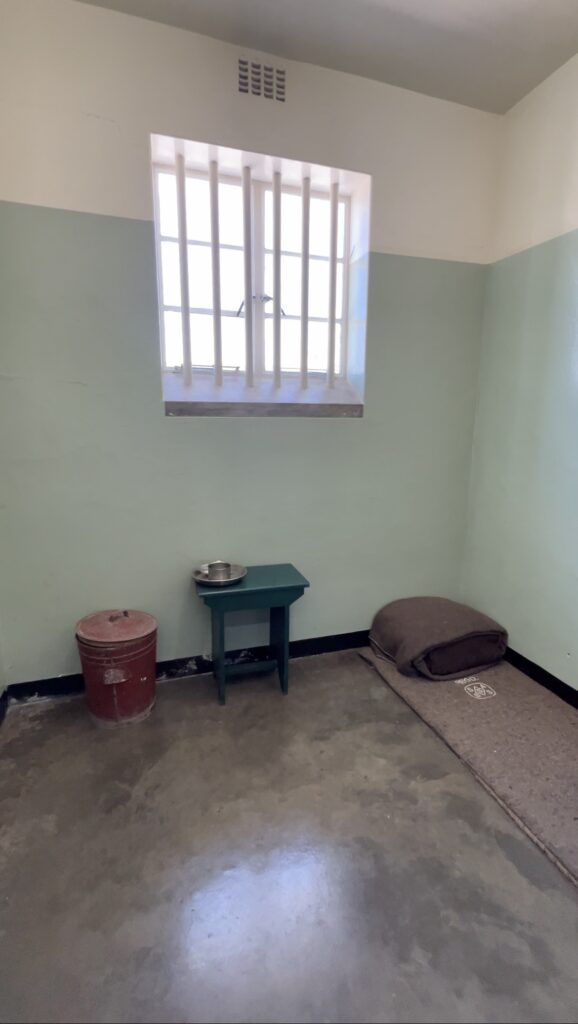
Start with sunrise at Maiden’s Cove. It’s a quiet spot with incredible views of the Twelve Apostles mountain range, then head to Robben Island. This is one of the most important things you can do in Cape Town. The tour includes a ferry ride across the water, a bus tour around the island (with a stop to spot African penguins), and then the prison itself, where Nelson Mandela was held for 18 years.
The tour is guided by a former political prisoner, and you’ll get to see Nelson Mandela’s cell up close. It’s small, sparse, and deeply moving. This experience stays with you.

In the afternoon, go quad biking at Atlantis Dunes. The landscape is surreal, endless white dunes that make you feel like you’ve been dropped into a desert movie. There’s a learning curve if you’ve never been on a quad bike, but once you get the hang of it, it’s fun and pure adrenaline.
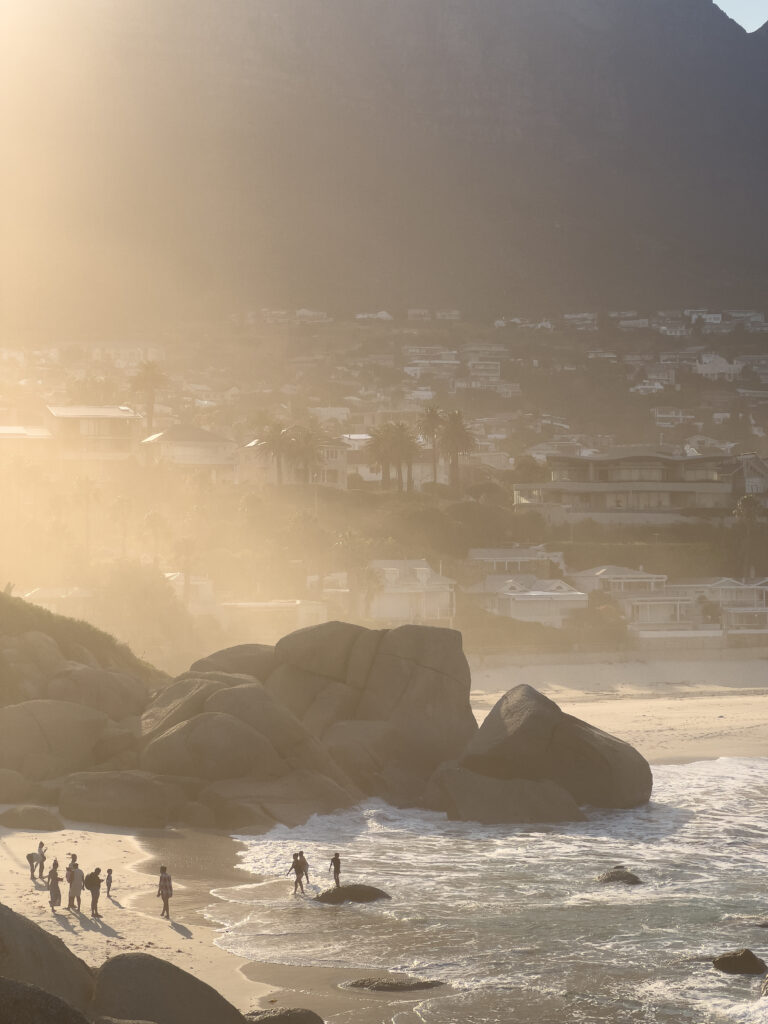
Wrap up the day watching the sunset at Clifton 2nd Beach. Bring a bottle of wine, sit on the rocks, and decompress after a long day.
Day 6 — The Iconic Cape Town Day
Start with sunrise paragliding from Signal Hill. You’ll run off the edge (it sounds scarier than it is), and suddenly you’re floating above Cape Town, the city stretched out below you, the ocean glittering in the early light. Depending on the wind, you’ll be in the air for anywhere from 10 to 25 minutes. It’s exhilarating and surprisingly peaceful at the same time.

Afterwards, head straight to Table Mountain. Hopefully the weather has cooperated and today is the day you finally see it in all its glory. The views from the top are unreal; you can see the entire city, the coastline, and the mountains stretching into the distance.
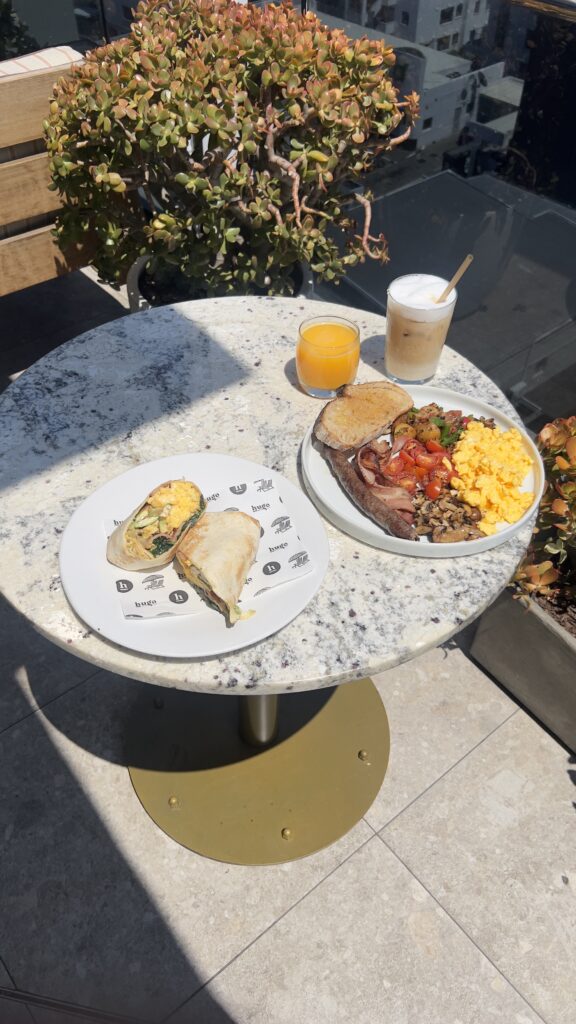
For brunch, Hugo’s Social Club is a great spot. Great food and excellent views to match.
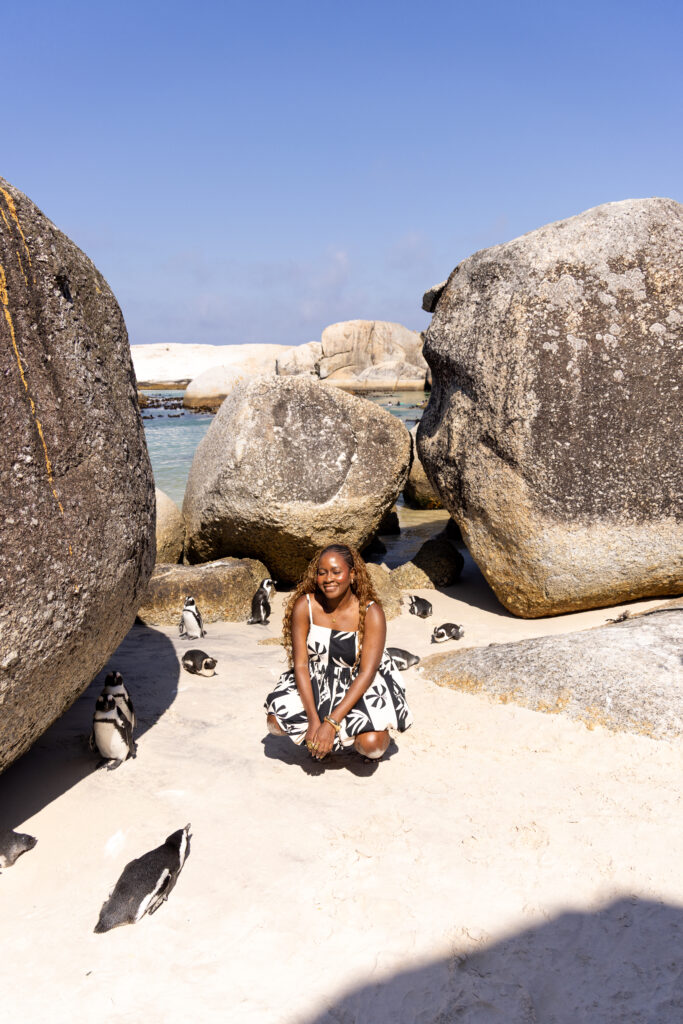
In the afternoon, drive about an hour to Simon’s Town to visit Boulders Beach. This is where you’ll find a colony of African penguins, and yes, it’s as adorable as it sounds. You can watch them from the boardwalks, but if you want to get closer, hop over to Foxy Beach nearby. Climb carefully over some boulders, and you can get much nearer; just don’t touch them.
On the drive back, take Chapman’s Peak. It’s one of the most beautiful coastal roads in the world, cliffs dropping into the ocean, dramatic curves, and the kind of views that make you pull over every few minutes just to stare.
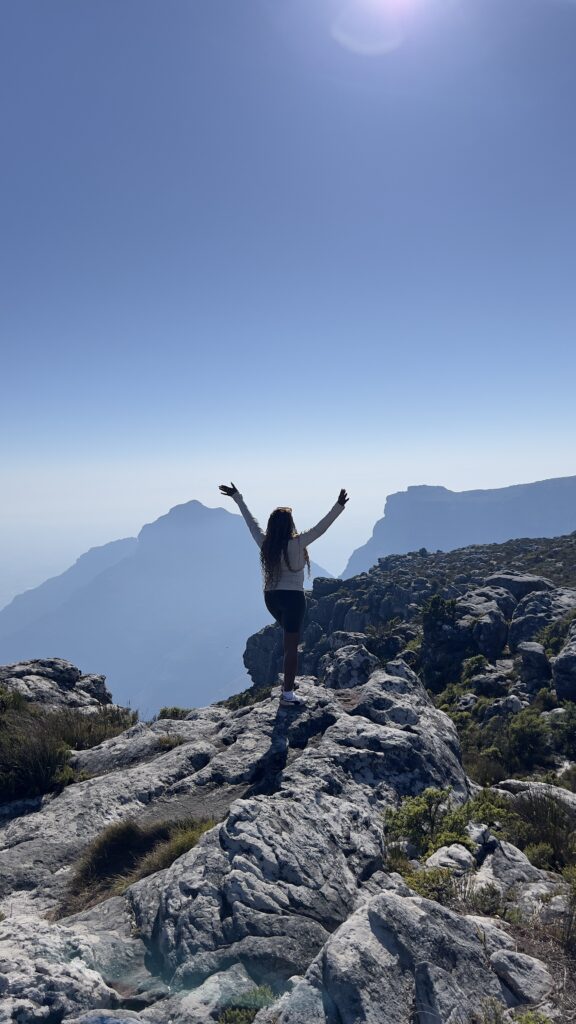

End the day with sunset dinner at The Bungalow in Clifton (when you make a reservation, ask for a table outside; the views are much nicer). You’ve basically just had the perfect Cape Town day.
Tip: You can take an Uber/ Bolt from Cape Town to Simon’s Town and back. On your way back, ask the driver to pass by Chapman’s Peak Drive, and you only need to pay the tolls.
Days 7–10 — Kruger National Park
From days seven to ten, you’re in Kruger National Park, one of the largest and most famous game reserves in Africa. This is where the trip shifts from sightseeing to something more immersive.
You’ll go on two game drives a day, early morning and late afternoon into the evening. The guides know where to look, and every drive feels different. One morning you might watch a herd of elephants cross the road in front of you. That evening, you could spot a leopard lounging in a tree. The anticipation never gets old.
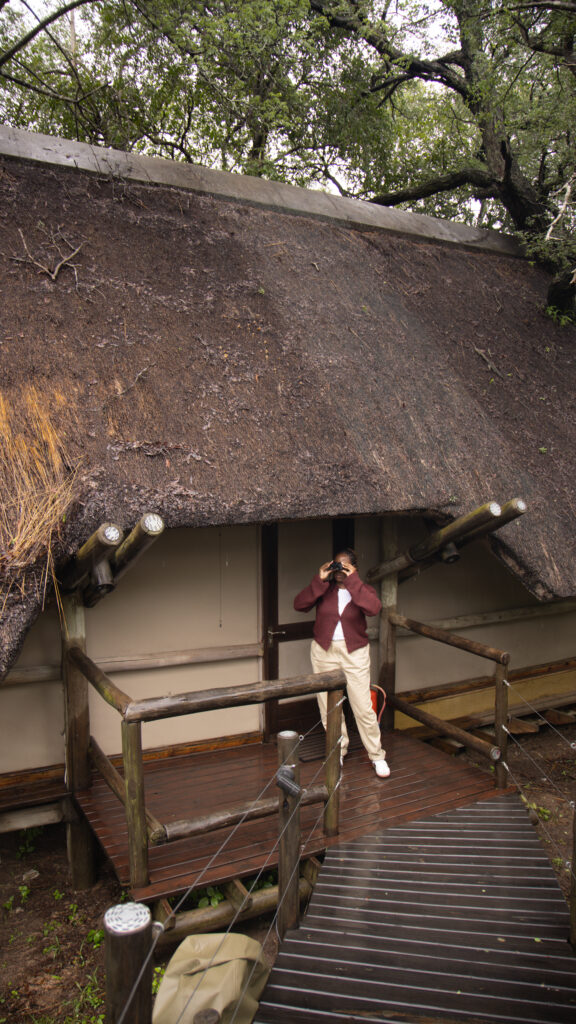
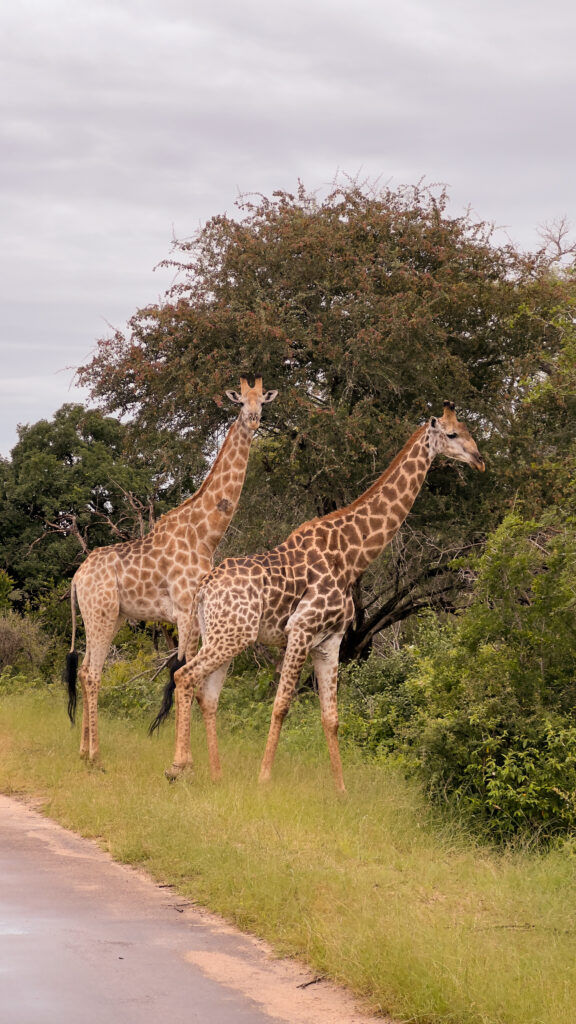
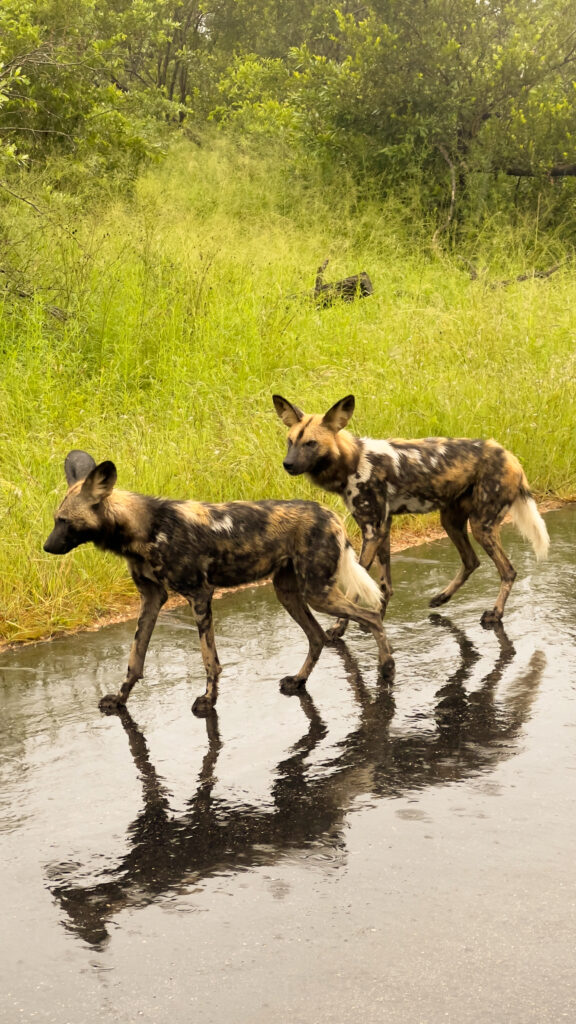
If you can, stay inside the park at an unfenced lodge like Rhino Post Lodge. Being unfenced means no time limits on game drives; you can stay out as long as the sightings are good. It also means animals can wander through camp, which sounds intimidating, but there are guides dedicated to every guest to ensure your safety throughout.
These few days are about unplugging. No rushing, no itinerary beyond the drives. Just wildlife and wide open spaces.
On day ten, fly from Kruger to Johannesburg.
Day 11 — Johannesburg
Johannesburg has a completely different energy to Cape Town; it’s honestly where all the black people are! It has a completely different vibe, and I wish I spent more than 3 days here to truly experience this city.
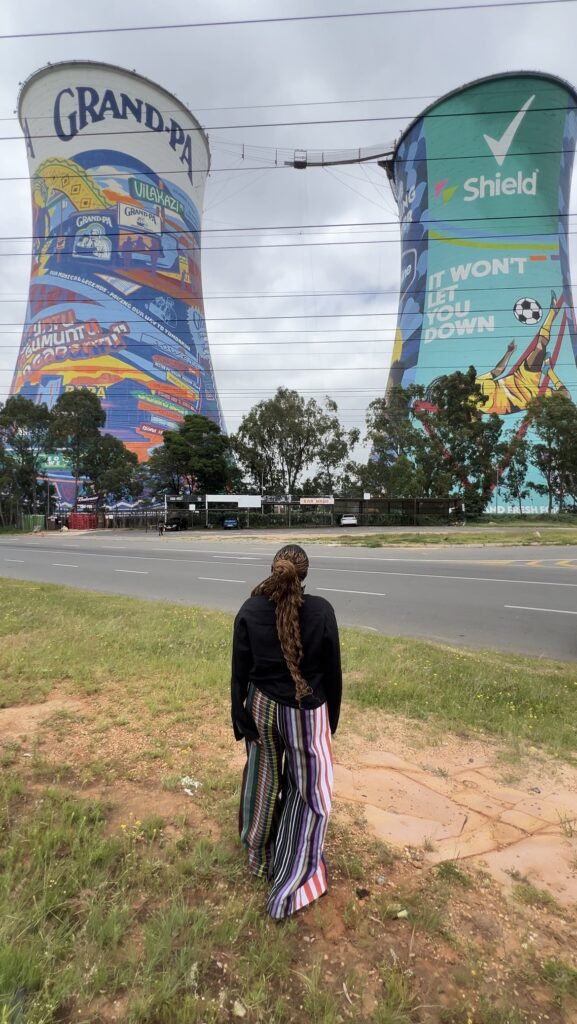
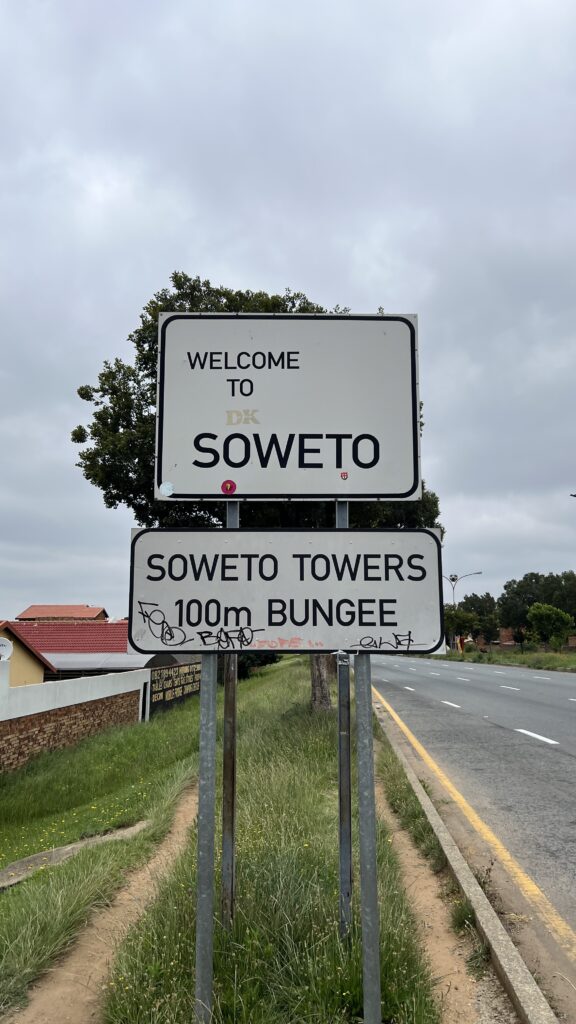
Spend the morning on a half-day tour of Soweto. This township was at the heart of the anti-apartheid movement, and walking through it with a local guide brings that history to life. During the tour, you’ll also visit Vilakazi Street, the only street in the world where two Nobel Peace Prize winners lived (Nelson Mandela and Archbishop Desmond Tutu) and stop at the Hector Pieterson Memorial and Museum, which honours the students killed during the 1976 uprising.
The tour may also include a visit to an informal settlement, which offers perspective on the realities many South Africans still face today. Approach this part with respect and openness.
Where to Stay: Sanctuary Mandela; Nelson Mandela’s former home in Houghton converted into a 9-bedroom boutique hotel. Walking through the rooms where Mandela lived, seeing his personal belongings, and sitting in his garden, sleeping in the house he lived in and eating his favourite dishes was truly an out-of-body experience.
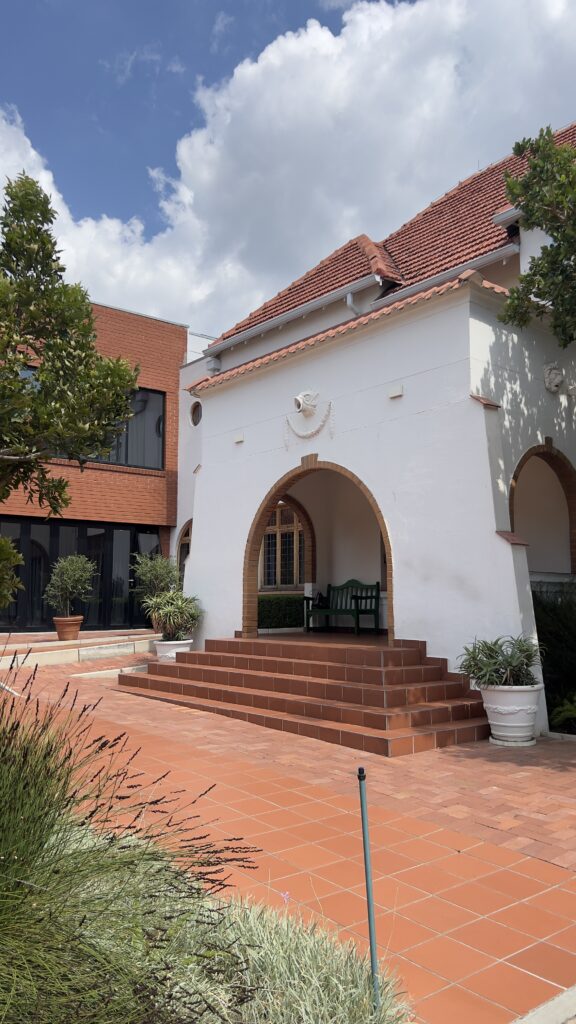
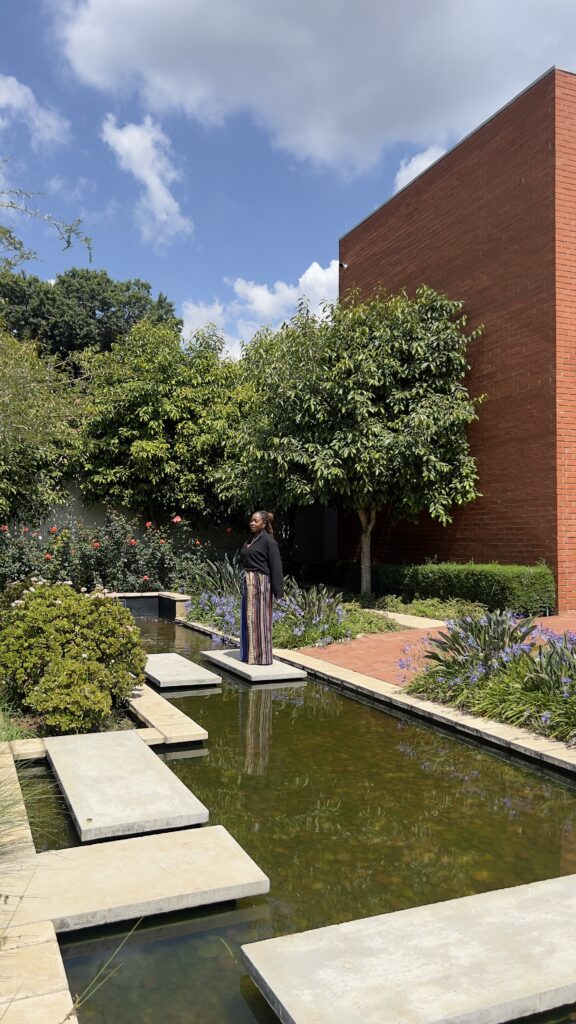
End your night at A Street Bar Named Desire, for drinks, good vibes and a local crowd.
Day 12 — End on a Local Note
Spend the morning of your final day in South Africa at Fourways Farmers Market. It’s big, bustling, and full of food stalls, live music, and local vendors. Grab coffee, graze through breakfast, and soak up the relaxed Sunday energy.
For lunch, stop at Zigny and Braai for authentic South African food. It’s a great way to end the trip: good food, local flavours, and a reminder of everything this country has to offer.

Then it’s time to head to the airport.
Final Thoughts
Twelve days in South Africa gave me mountains, wine, wildlife, history, and more good food than I can count. If this itinerary resonates with you, save it for when you’re ready to plan. Tweak it to fit your style, add extra days if you can, and leave room for spontaneity.
The post in video form:
