Ultimate Guide to Exploring South Africa in 2026
South Africa is one of the few destinations where you can wake up to ocean views, spend the afternoon wine tasting, and end the week on safari — all without leaving the country.
In this South Africa travel guide, I’m sharing my exact 12-day itinerary across Cape Town, Kruger National Park, and Johannesburg, plus a full budget breakdown, where to stay, activities to do, and the tips that will make your trip smooth from start to finish.
If you’re planning your own trip, save this post and come back when it’s booking time!
Disclaimer: This page contains affiliate links. If you book a stay or an activity, I earn a commission at no extra cost to you.
Why this itinerary works for first-timers
If you’re trying to plan a trip to South Africa for the first time, the country can feel like there are “too many good options” to pick from, and this route keeps things simple and iconic:
- Cape Town (Days 1–6): This gives you the perfect combination of city, culture, incredible sunsets, wine country, wildlife and mountains!
- Kruger National Park (Days 7–10): Unfenced safari lodge, and two game drives a day
- Johannesburg (Days 11–12): expect history, markets and nightlife
Best time to visit South Africa
Here’s the biggest thing most people miss when planning (and something I overlooked): January is summer in Cape Town, but it’s wet/green season for safari areas like Kruger, which can bring heavy rainfall.
For safari specifically:
- Dry season (May–October): best visibility, animals gather around watering holes, and vegetation is thinner — but it’s also peak safari season (more visitors, usually higher prices).
- Wet/green season (November–March): greener and often cheaper, fewer crowds, baby animals — but rain is more likely, and thick bush can make sightings slightly harder.
Cape Town & Johannesburg: best time to visit
Best overall (weather + fewer crowds + better value): March–May and September–November
These are the “shoulder season” sweet spots: pleasant temps, generally good visibility, and usually better prices than peak summer.
Best for peak summer/beach energy: November–February
Hot, dry, long days — great for beaches, sundowners, and coastal drives. It’s also the busiest/most expensive time.
Best if you want lower prices (but expect rain): June–August
Cape Town is unusual because its wettest season is winter. Expect cooler temperatures, more rain (especially around June), fewer crowds, and often better deals.
Everything you need to know before travelling to South Africa in 2026
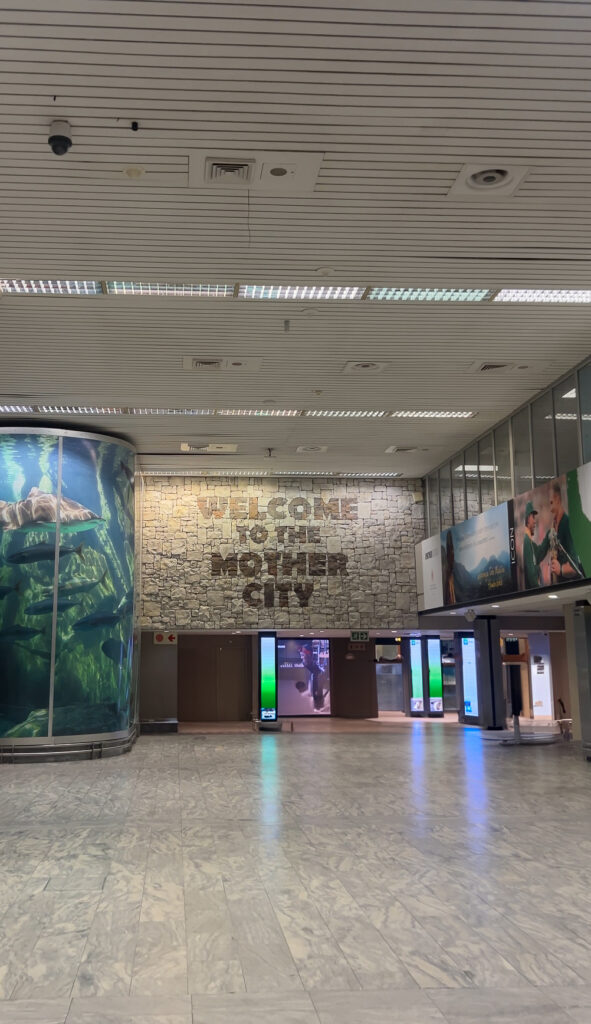
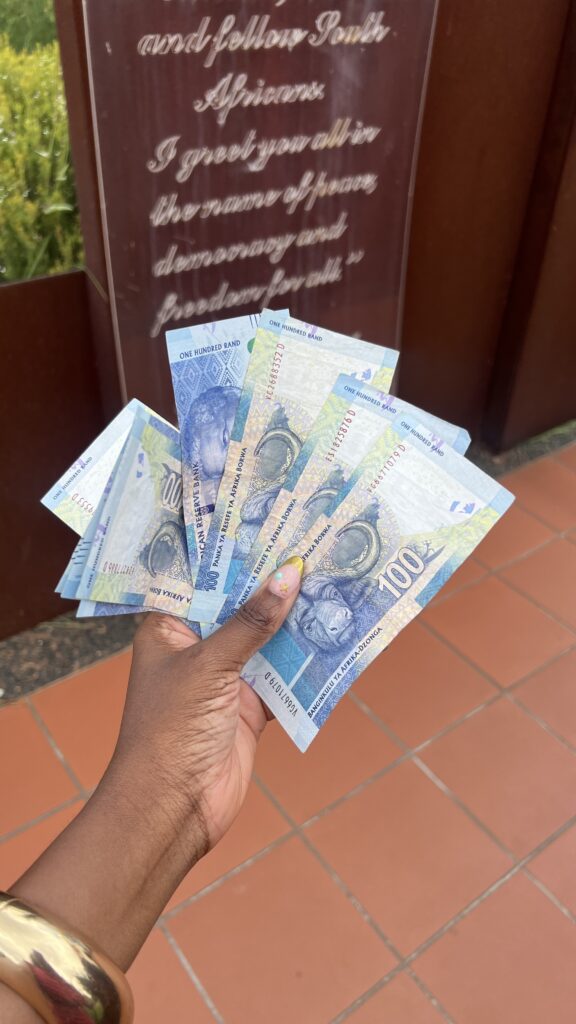
In this section, I’m breaking down everything you need to know before travelling to South Africa in 2026, from language, currency, and airport basics to getting around, safety, tipping culture, load shedding, and the best neighbourhoods to stay in. I’ll also cover the important stuff people forget (like yellow fever requirements and Cape Town’s weather mood swings), so you can plan smarter, stay flexible, and enjoy the trip without unnecessary stress.
Language + communication
South Africa is one of the most linguistically diverse countries in the world, with 12 official languages. English is widely spoken in major cities and tourist areas, so getting around, ordering food, booking Uber rides, and taking tours is generally easy.
Currency + exchange rate (USD)
The local currency is the South African Rand (ZAR). As of February 5, 2026, $1 USD ≈ R16.13 ZAR. Rates move daily, so I always recommend checking right before you travel (especially if you’re budgeting tightly).
Paying for things (cash vs card)
Most places in Cape Town and Johannesburg are card-friendly, and you’ll find that many spots are effectively cashless. Still, carry a small amount of cash for tipping, markets, and smaller vendors.
Airport basics
If you’re following my itinerary, the main airports you’ll likely touch are:
- Cape Town International Airport (CPT) for arrival/departure in Cape Town.
- O. R. Tambo International Airport (JNB) for Johannesburg (and often international connections).
- Skukuza Airport (SZK) if you’re flying into Kruger National Park for safari (it’s the only commercial airport inside the park).
Transportation
Getting around is straightforward if you plan it in layers:
- In the cities (Cape Town + Johannesburg), ride-share apps like Uber/Bolt are the easiest way to move around without stress.
- For day trips (such as Franschhoek), booking a shuttle/transfer, or joining a small-group tour, often saves time and simplifies logistics.
- For safari, internal flights (like Cape Town → Skukuza → Johannesburg) can make your itinerary far more efficient than long drives.
Safety
South Africa is like any big destination: you don’t need to be fearful, but you do need to be intentional.
Stick to main roads and busy areas, avoid flashing valuables, use ride-shares at night, and try not to walk alone after dark, especially in unfamiliar areas. Where you stay matters too: choose central, tourist-friendly neighbourhoods so you’re not constantly commuting through areas you don’t know.
Tipping culture
Tipping is part of everyday culture in South Africa, and many service workers rely on it. A solid guideline is 10% for normal service and 10–15% for great service.
Also, if you’re in a group, check the bill; gratuity may already be included.
Entry requirement: Yellow fever card
If you’re travelling from a yellow fever endemic country, you may be required to show proof of yellow fever vaccination (your yellow card) at entry.
Weather
Here are the two biggest itinerary-savers:
- Cape Town’s weather is moody. January is summer, but don’t expect constant sunshine. It can still rain on occasion. During my 6 days in Cape Town, it rained twice.
- Table Mountain can disappear in the clouds. My advice is to set aside at least two possible days for it so you’re not disappointed.
Load shedding
You’ll hear about load shedding, which is scheduled power cuts. The good news is that most hotels, restaurants, and safari lodges have backup power (generators/inverters), so you won’t experience any disruption. Still, pack a power bank and charge your devices whenever possible.
Where to Stay in Cape Town (my exact stays + the best neighbourhoods for tourists)
Where you stay in Cape Town can make or break your trip — not because the city isn’t incredible (it is), but because Cape Town is spread out, traffic can be unpredictable, and the weather changes fast. The right base saves you time, stress, and unnecessary back-and-forth.
V&A Waterfront – The easy option, and I mean that in the best way. You can walk everywhere, there’s always something happening, and you don’t have to think too hard about logistics. Great for a first visit.
Sea Point – This is where I’d stay if I had a week or more. The promenade is perfect for morning coffee walks, there are restaurants and cafes on every corner, and it actually feels like a neighbourhood rather than a tourist bubble.
De Waterkant – This is where I stayed. It’s a quiet area but centrally located and close to many tourist attractions.
Camps Bay – You’re here for the views and the beach, and honestly, they deliver. However, just know you’ll be Ubering around and sitting in traffic sometimes, but it’s worth it if you want that classic Cape Town postcard experience.
Green Point – Quieter than Sea Point, closer than Camps Bay, and still right near everything. A solid pick if you want a relaxed setting without being too removed.
My Cape Town stays
1) The Trade Boutique Hotel
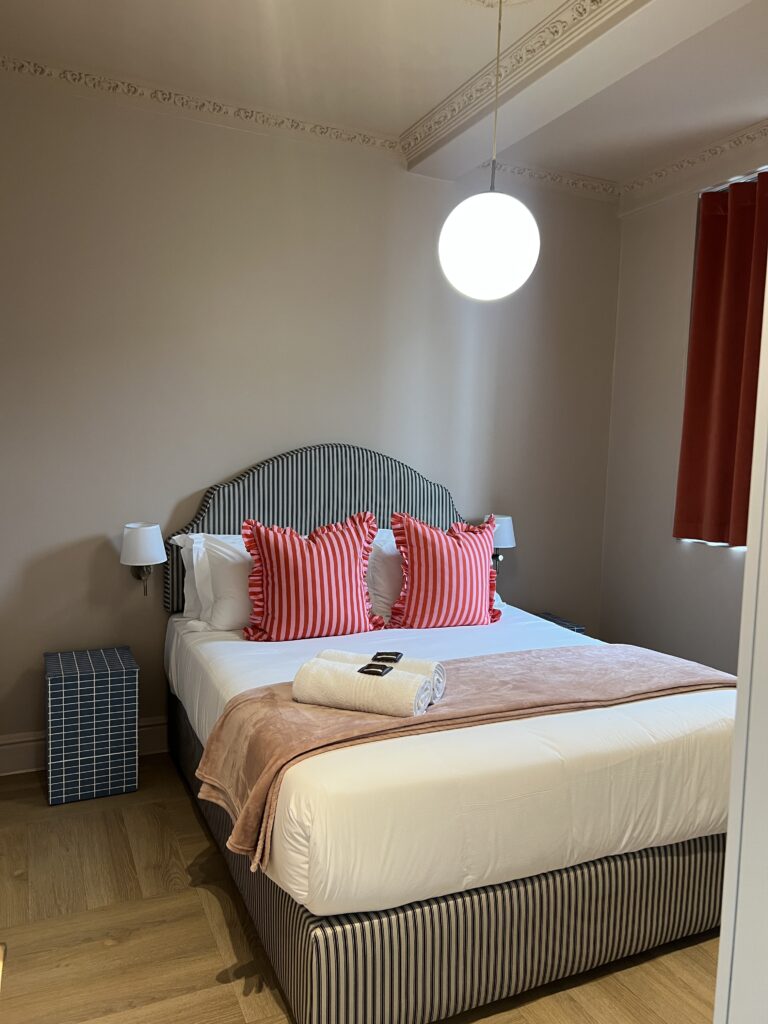
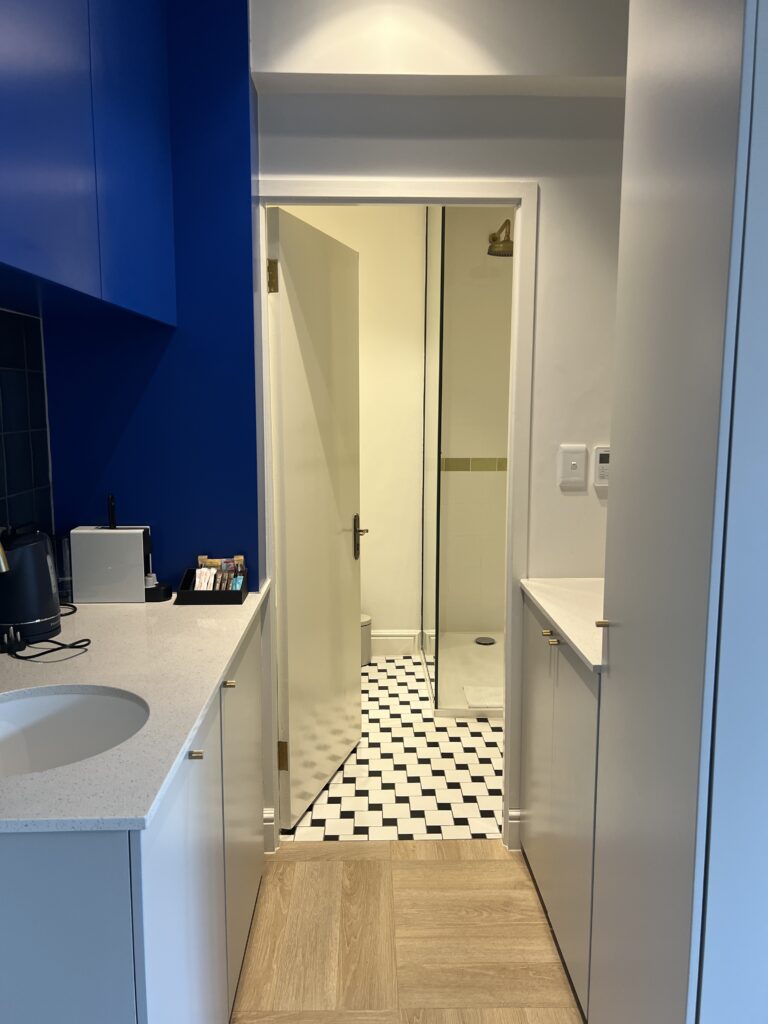
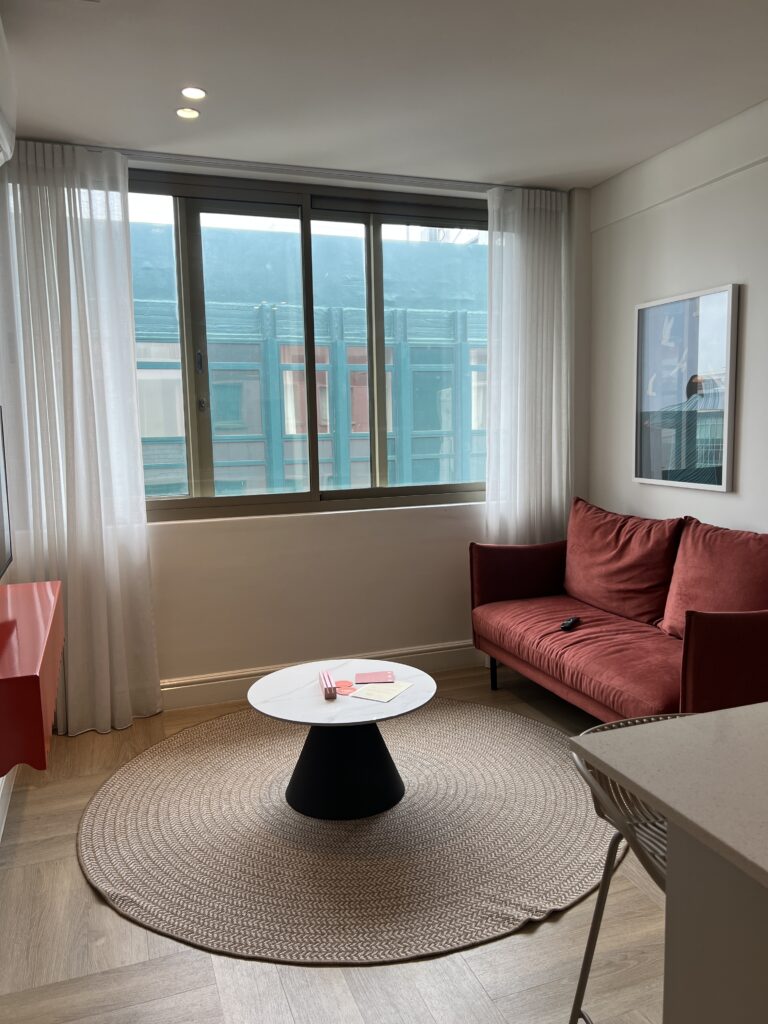
I stayed at The Trade Boutique Hotel for my first night in Cape Town, and it was exactly what I needed after travelling: a smooth check-in, a clean space, and zero extra decision-making.
It is tucked away in De Waterkant, and the eclectic, stylish design, friendly staff, and location make it perfect for wandering. You’re a short walk from good coffee, wine bars, and the V&A Waterfront. If you like boutique hotels with personality over big hotel chains, this one’s a winner.
2) Docklands Luxury Apartments
For the main part of my Cape Town stay, I moved into a one-bedroom apartment at Docklands Luxury Apartments, and this is the option I’d recommend if you’re staying more than a few nights and want Cape Town to feel like a home base, not just a place to sleep.
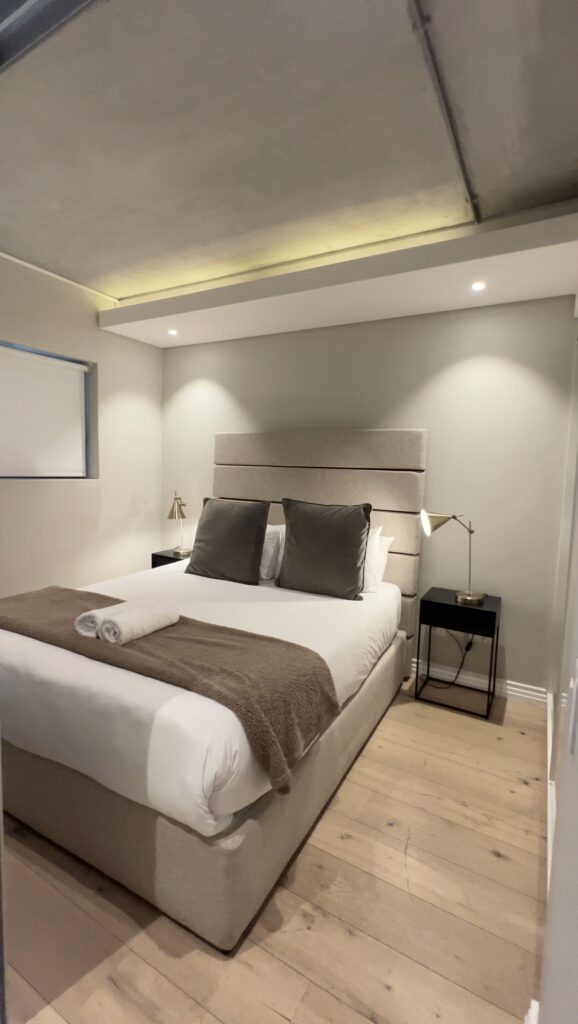
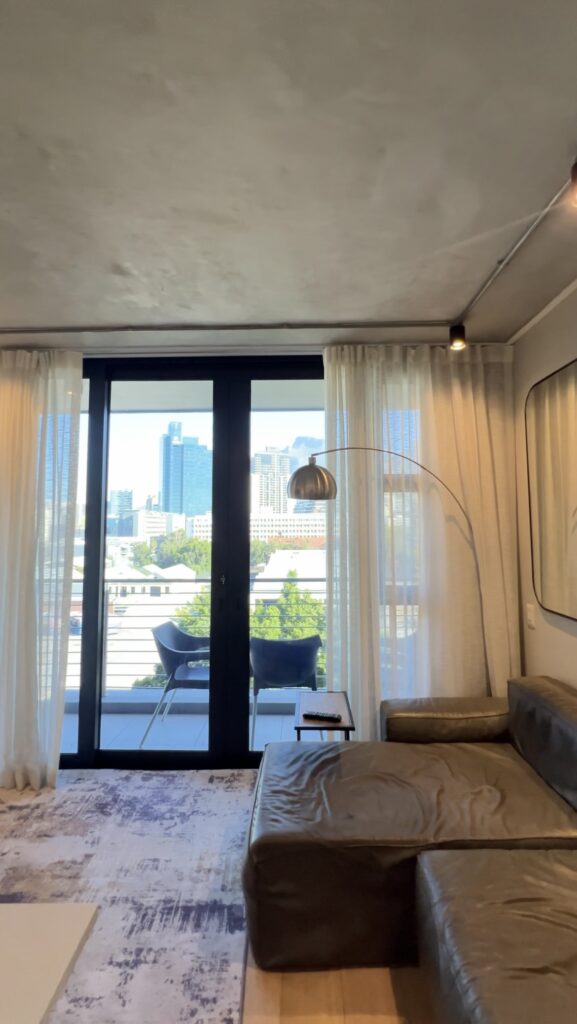
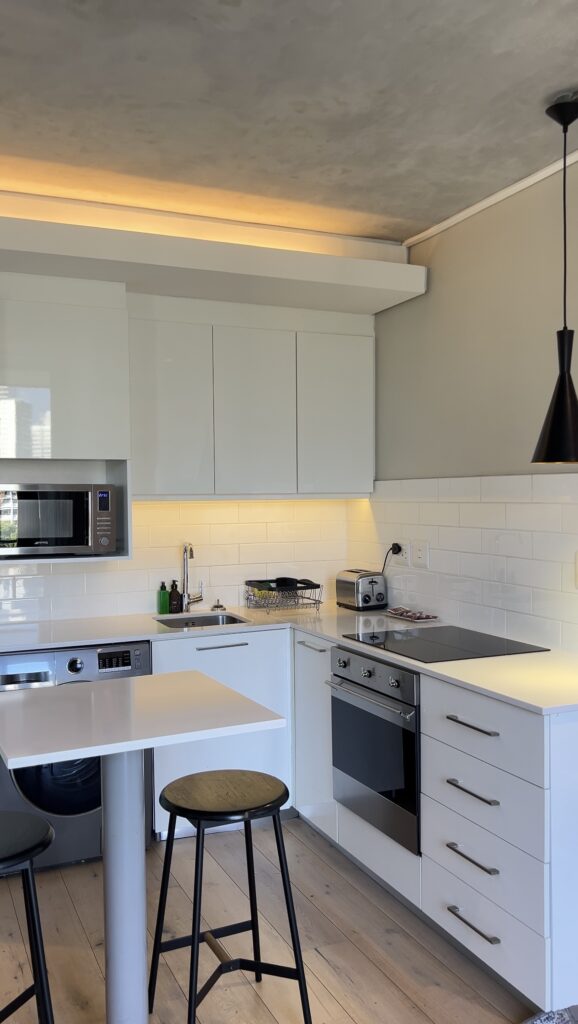
Having an apartment made such a difference. We had more space to spread out, a living area to relax in after long days, and that calm, comfortable feeling of coming “home” after exploring. It’s especially ideal if you’re travelling with a friend (because splitting costs makes it even more budget-friendly), or if you like having the flexibility to do things like store snacks, plan your next day properly, or just have a slower morning without feeling rushed.
The biggest highlight for me was the rooftop pool and the view of Table Mountain. On clear days, it’s genuinely stunning. It also works beautifully for a Cape Town itinerary because you’ll likely be out most of the day, and coming back to a spacious, comfortable apartment is exactly what you want.
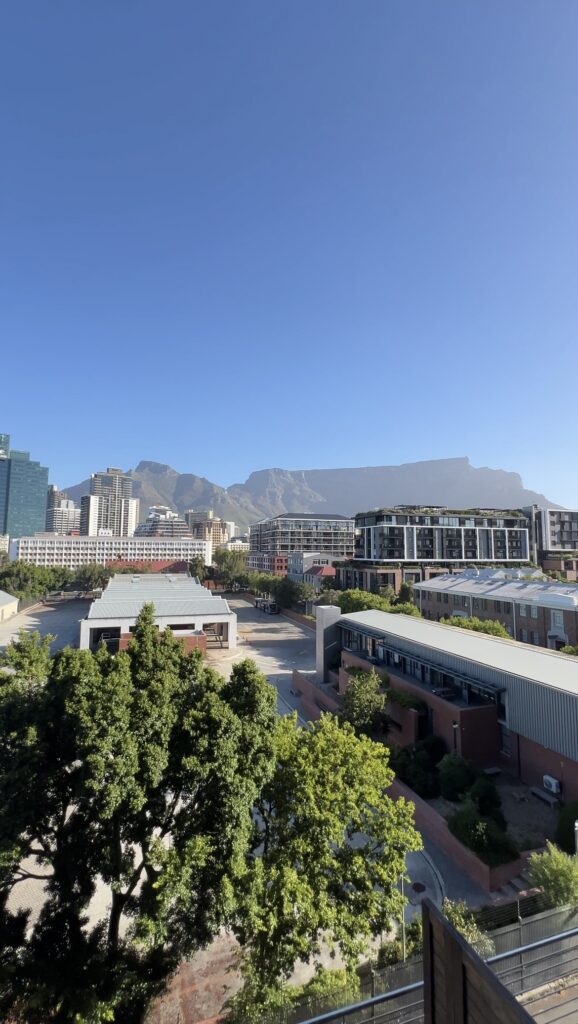
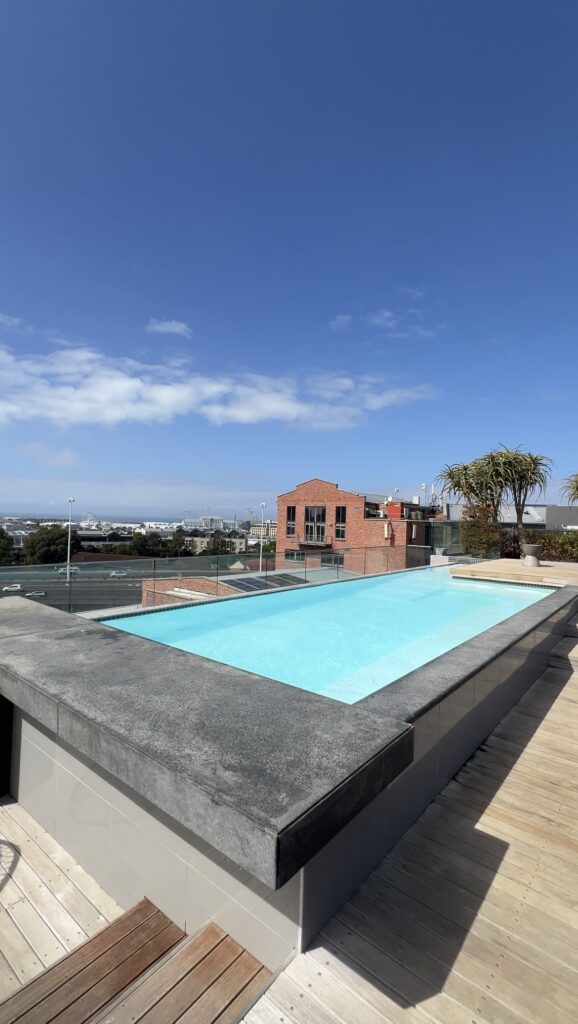
If you’re doing Cape Town properly (Franschhoek day trip, Robben Island, penguins, Chapman’s Peak, etc.), this apartment setup makes everything feel easier.
Where to Stay in Kruger National Park: Rhino Post Safari Lodge (Private Concession)
If you’re planning a safari in Kruger and you want it to feel like a documentary you accidentally walked into, Rhino Post Safari Lodge is the kind of place that changes your standards forever. It’s an eco-luxury lodge set inside a private concession within Kruger National Park, which means you’re not doing “drive in, drive out, beat the gate” safari; you’re living in the bush, fully.
Disclaimer: This stay was hosted, so I didn’t pay. But as always, my review is 100% honest and transparent.
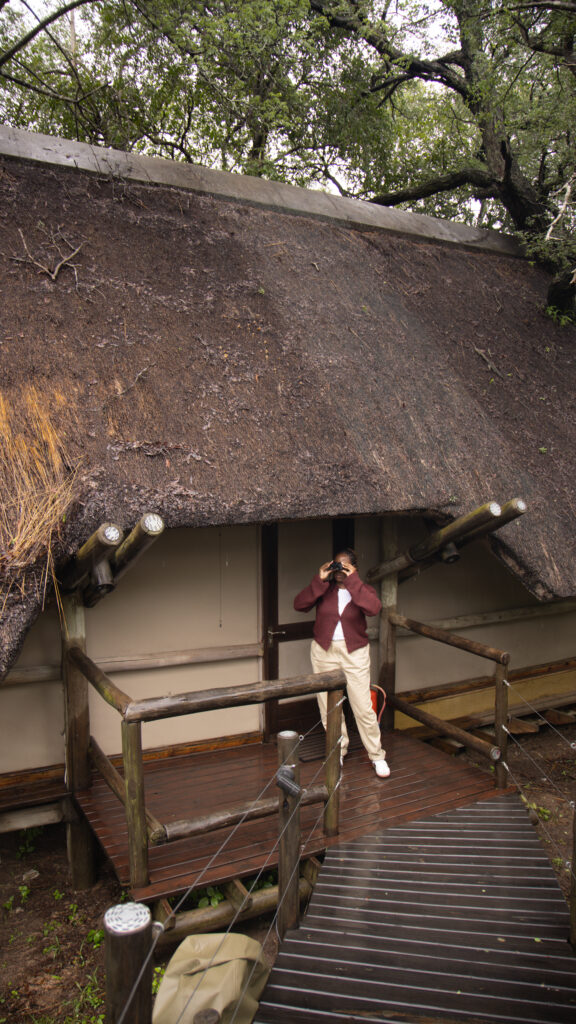
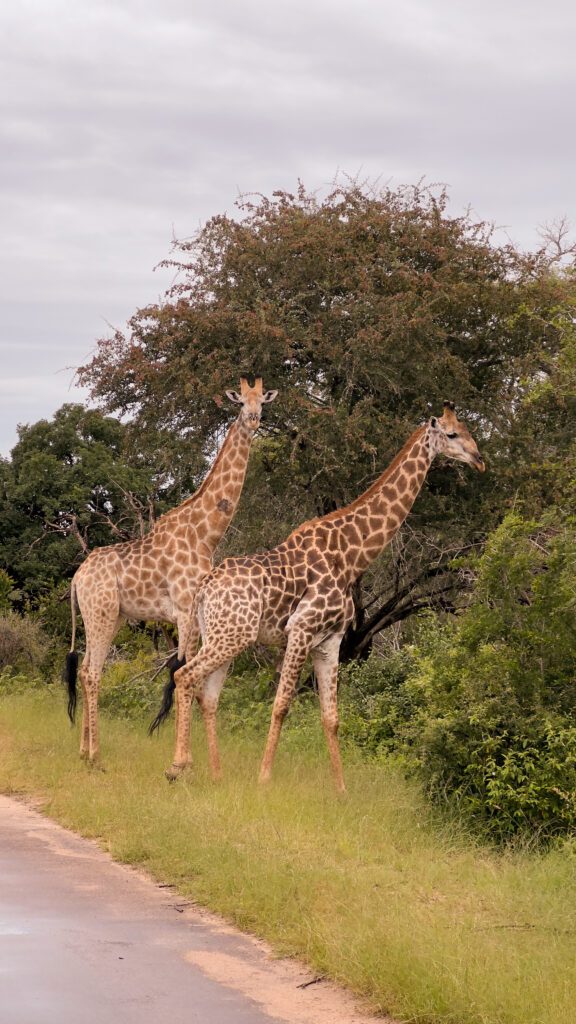
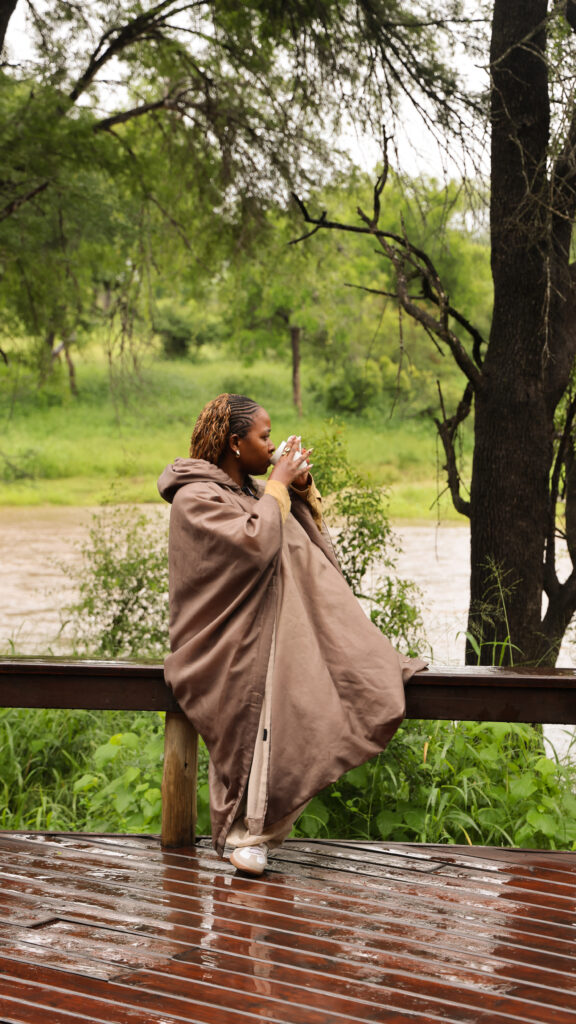
The Location
Rhino Post is located within a private concession in Kruger National Park, which is one of the main reasons the experience feels so special. Unlike staying outside the park (where you’re limited by gate times and often spend extra time commuting), being inside a concession means the safari begins before you even arrive at your lodge, and the bush feels closer, quieter, and more immersive.
Because it’s unfenced, you’re not “separate” from nature. You’re in the wild, safely guided, but truly surrounded by it. If you’re someone who wants safari to feel intimate, not crowded, not rushed, this setup is the dream.
The Lodge
This is a stunning eco-luxury done properly. It’s calm, intentional, and designed to blend into the environment rather than compete with it.
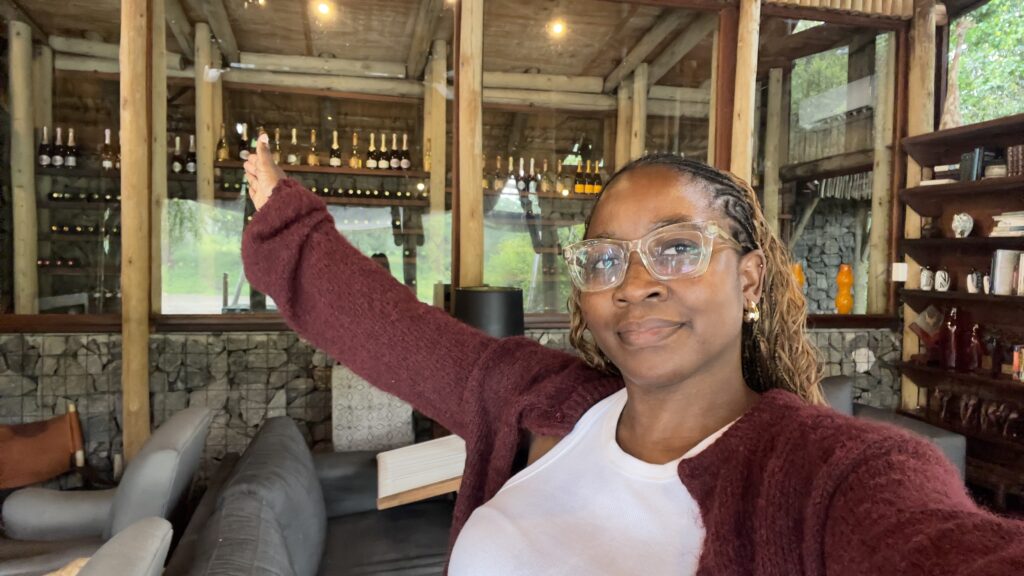
One of my favourite parts was how easy it was to slow down. Between game drives, you can read in the library, nap guilt-free, sit quietly with a view of the bush, take a long soak in the tub or shower in the outdoor shower.
Tip: Don’t come here expecting strong WiFi. This is a proper unplugged experience, and once you surrender to it, it becomes one of the best parts of the stay.
The Rooms
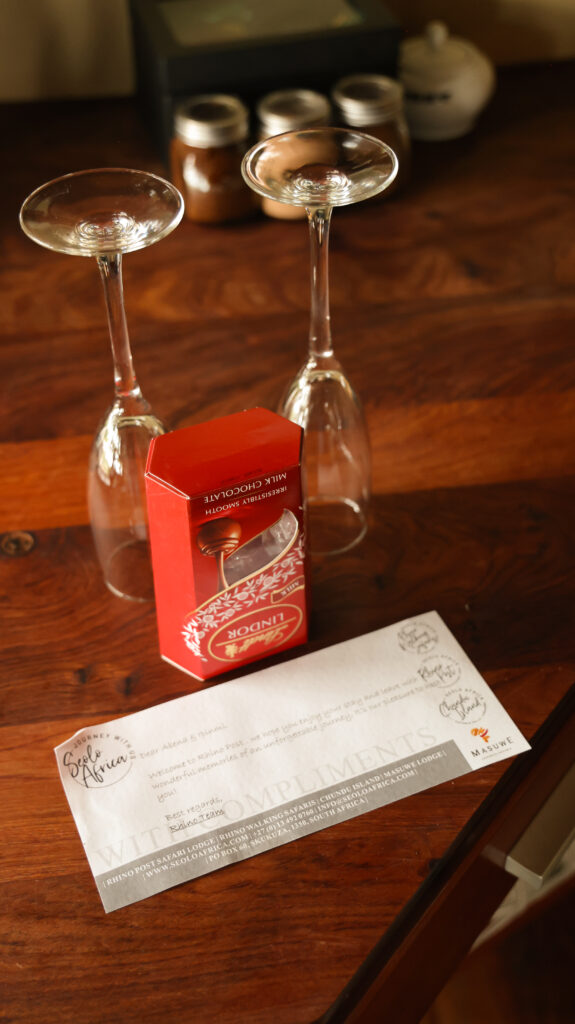
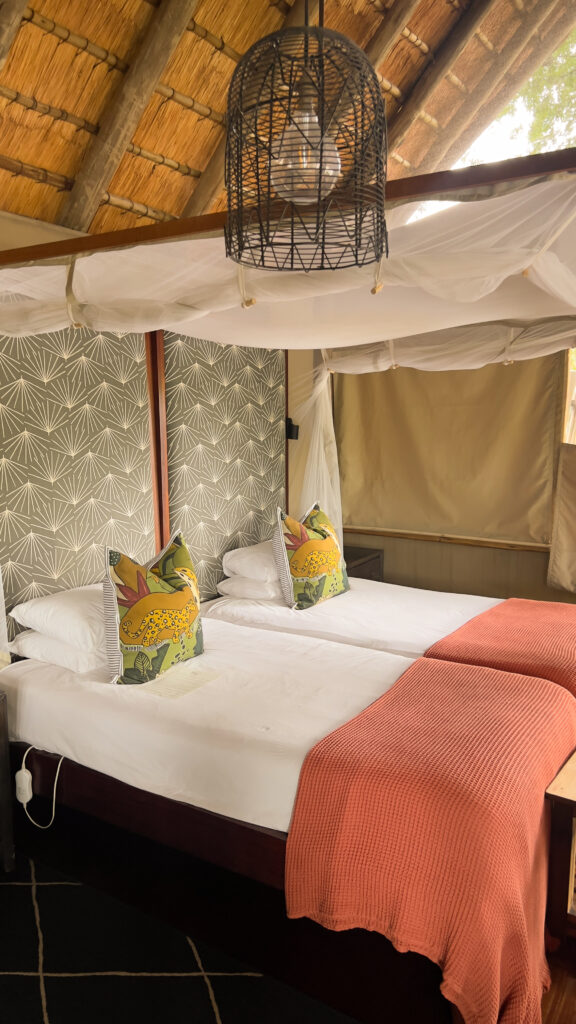
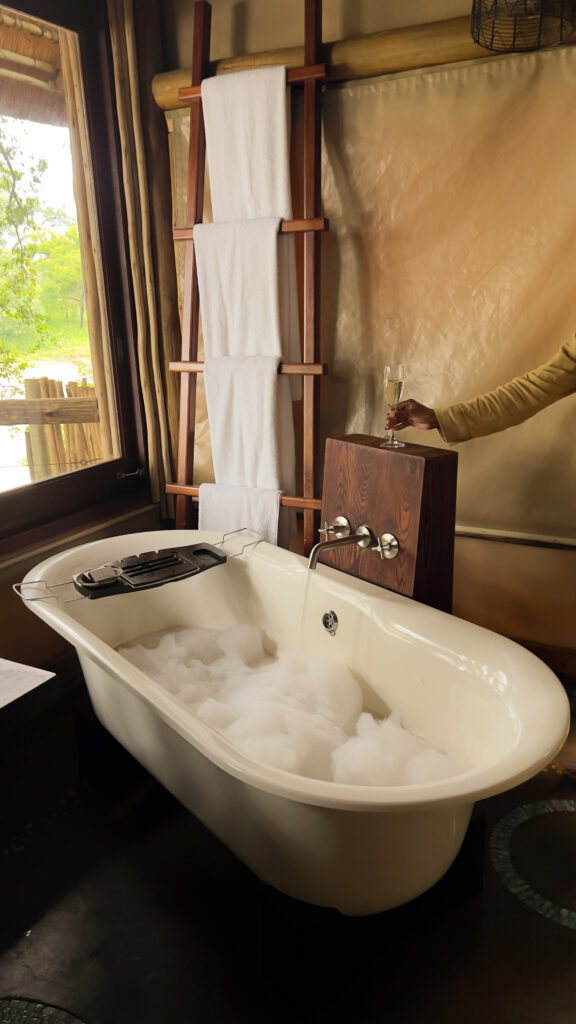
The rooms are beautiful; they blend into the bush with views that make you forget you ever cared about city life. It’s the kind of space where you can take an outdoor shower, soak in the tub, and still feel like you’re part of the landscape. Everything feels natural, airy, and designed for rest.
The Daily Schedule (What a Day Actually Looks Like)
If you’ve never stayed in a private concession safari lodge before, here’s what a typical day looks like.
You’ll get a wake-up call around 5 am, usually from your guide (ours arrived with muffins, which honestly felt like an elite experience). You head out on your first game drive of the day while the air is still cool and the animals are active.
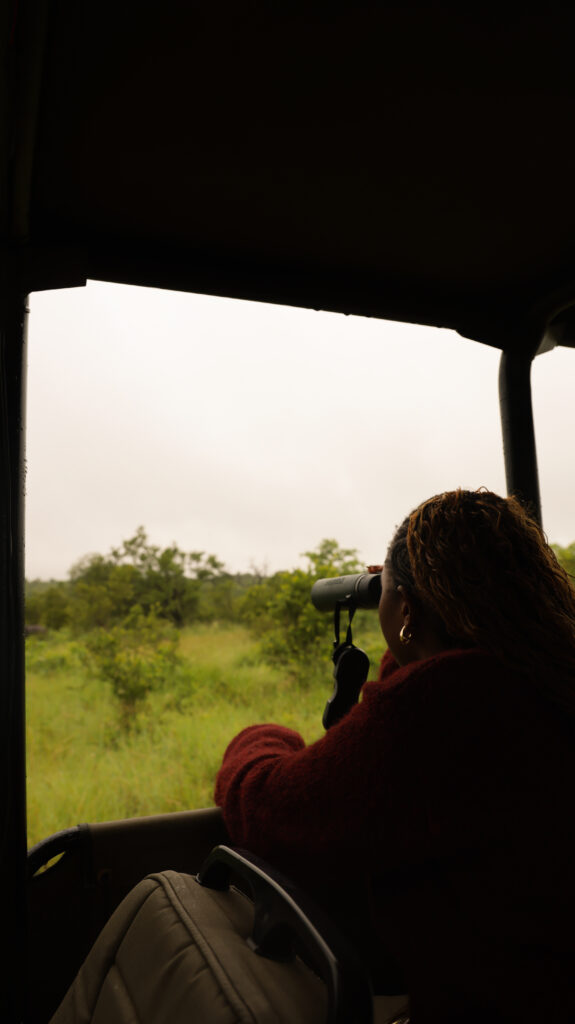

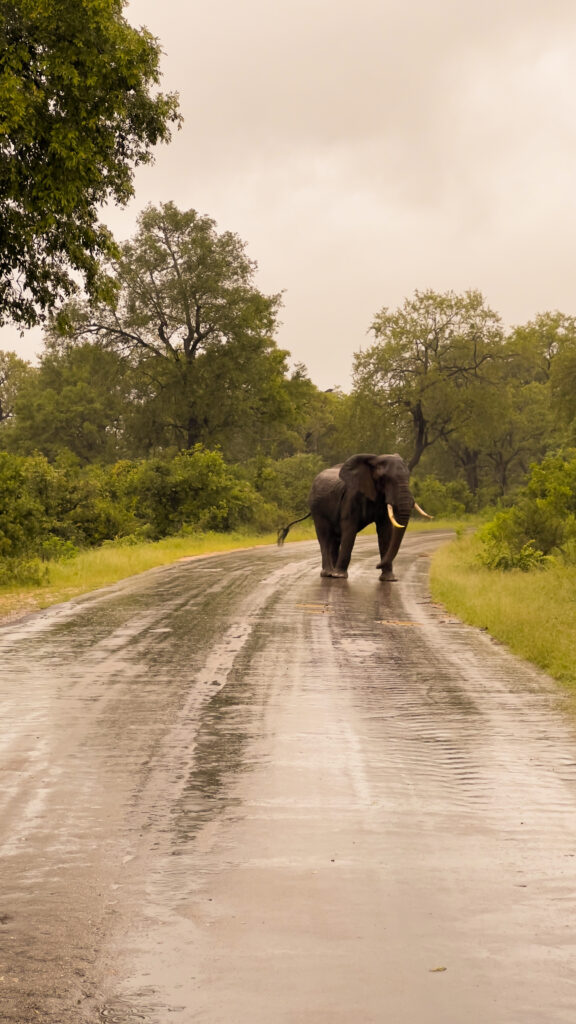
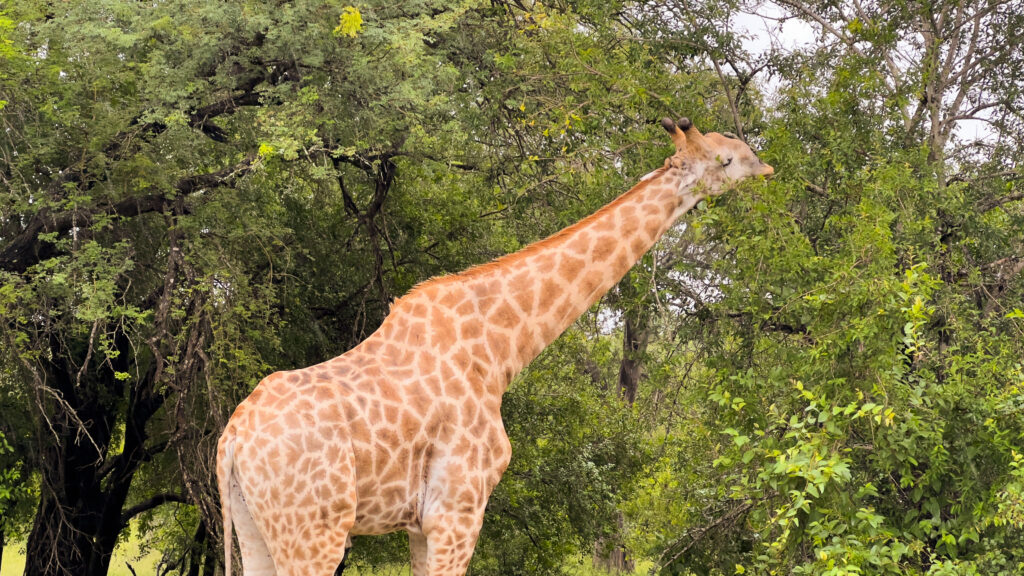
On one morning drive, we saw giraffes, elephants, loads of impalas (January is impala breeding season), hippos, and even a pack of rare wild dogs. The kind of sighting that makes you realise why people lose their minds over safari.
Before heading back, you’ll stop somewhere scenic for snacks and a break. Then it’s back to the lodge for breakfast/brunch and downtime.
Later in the afternoon, around 2:30 pm, there’s high tea (and it’s a proper spread), then you head out again for the second game drive, which is usually golden hour into sunset, and it’s unreal.
The Safari Experience: Why Private Concession Matters
Here’s the real perk: private concession safaris don’t feel rushed.
On one of our drives, we finally had our first lion sighting: two lionesses. Just when we thought the day was complete, our guide received a radio call about three lions around 7:30 pm. We tracked them, watched them prepare to hunt, and it felt like a documentary… except we were in it.
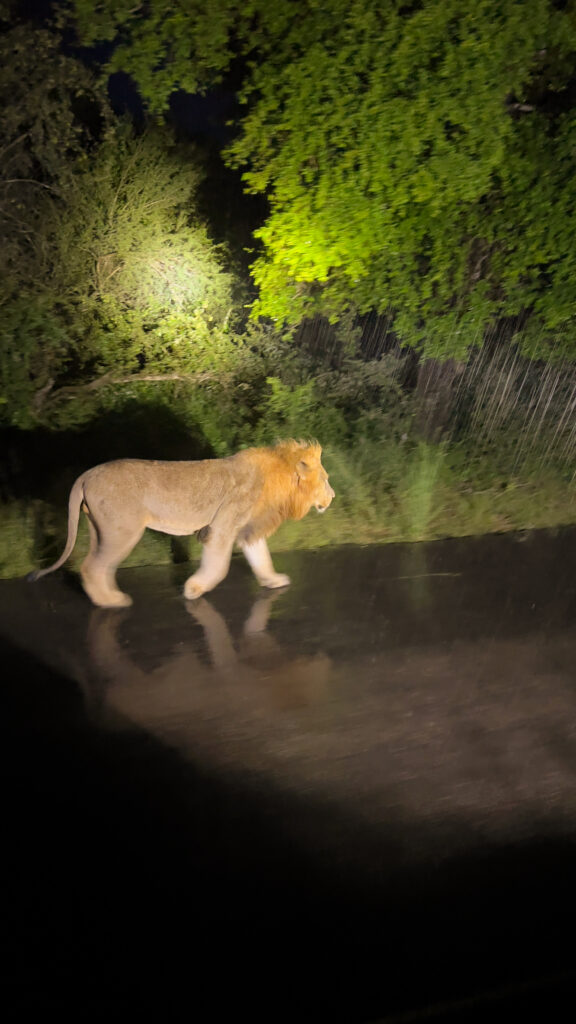
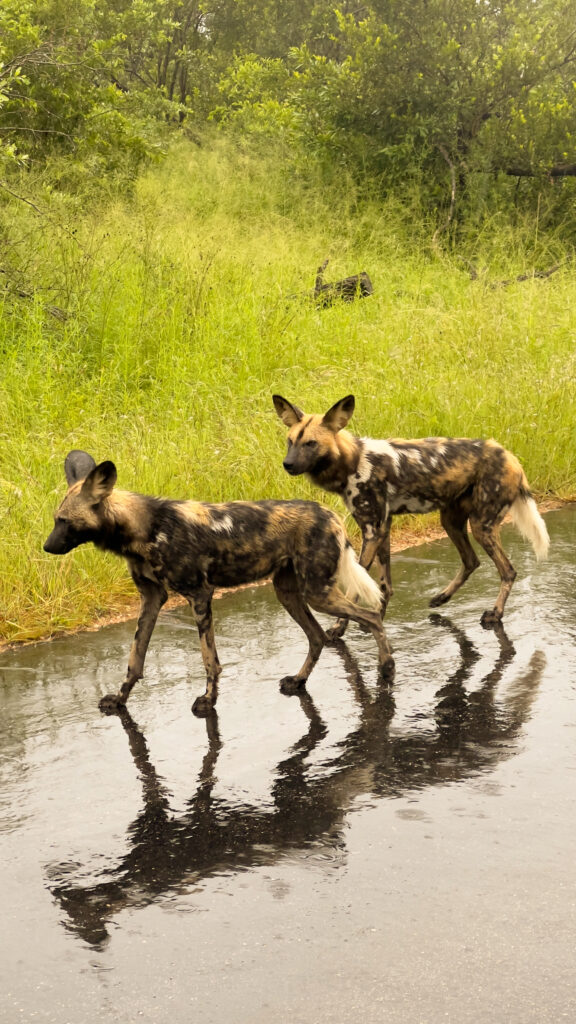
That “stay out later, not racing time” feeling is one of the biggest differences between staying inside the concession area and staying outside the park.
The Food
At the end of the night, you come back for a three-course, family-style dinner with other guests. It’s cosy and communal, everyone trading favourite sightings, laughing about the near-misses, and quietly processing how insane the day was.
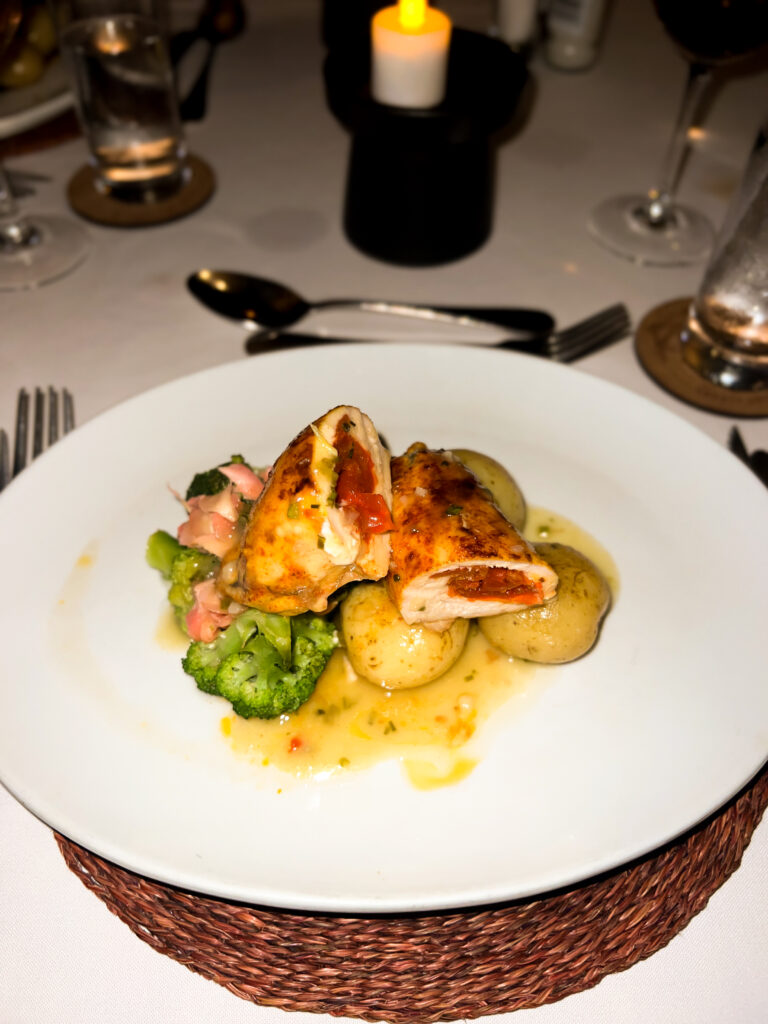
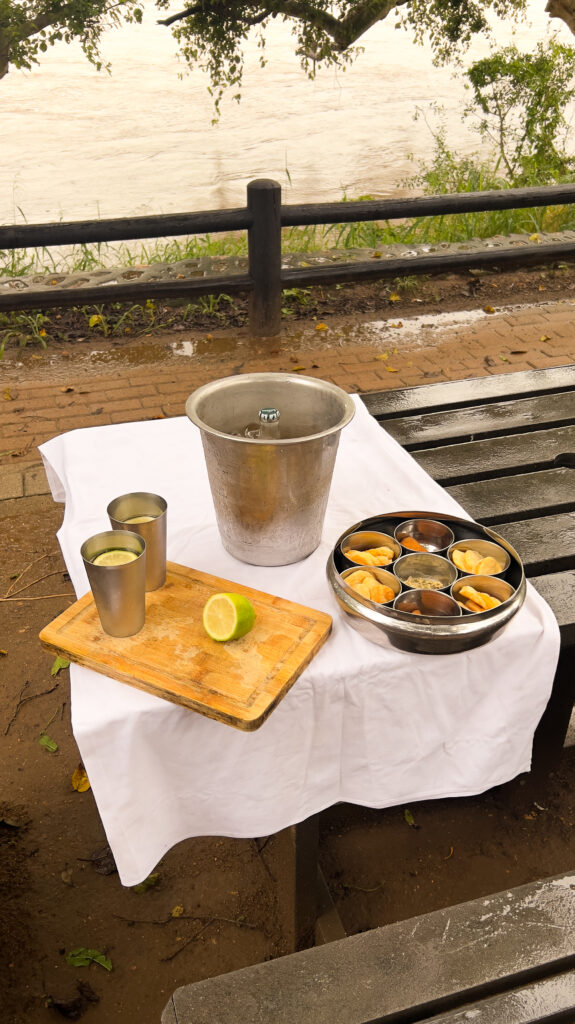
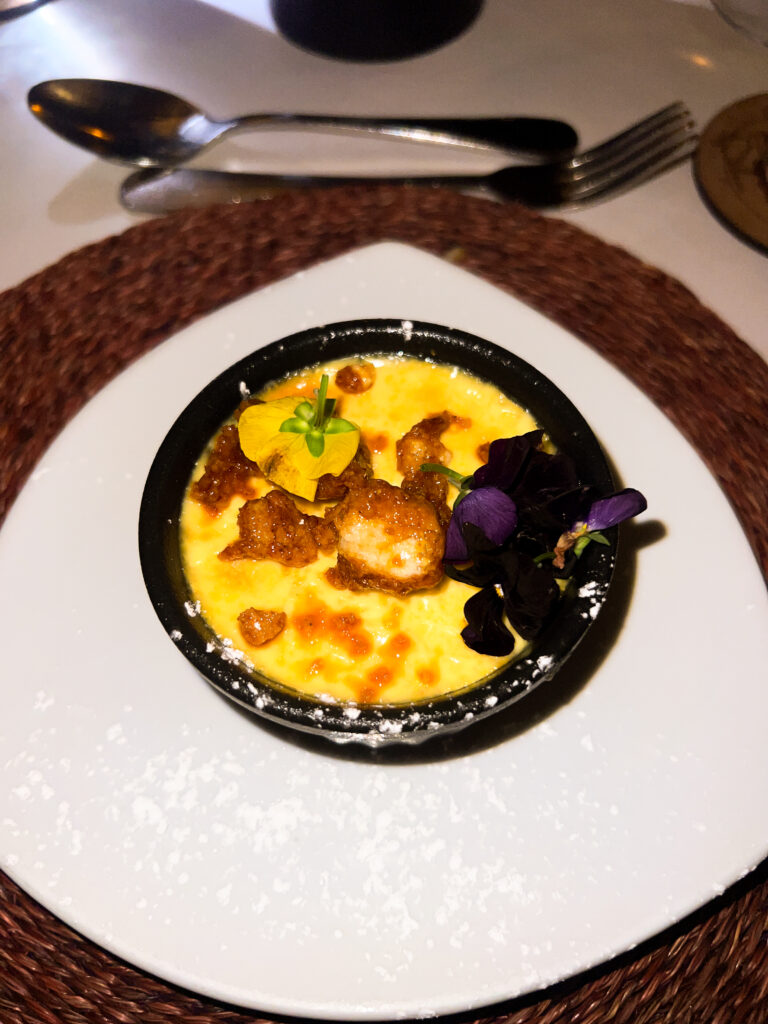
The food was excellent, and it’s one of those stays where meals become part of the whole experience, not just something you rush through. And you will also get to eat some exotic safari animals like Kudu.
Who I Recommend Rhino Post For
Rhino Post is perfect if you want:
- A safari that feels intimate and immersive
- Two game drives a day with a knowledgeable guide
- A real unplug/reset experience
- A private concession setting where sightings feel more personal
Sanctuary Mandela: The Most Meaningful Place You Can Stay in Johannesburg
I need you to understand this from the start: Sanctuary Mandela is not just a hotel. It’s history, preserved, a place where you don’t just sleep; you reflect.
This is a nine-room boutique hotel set inside the home where Nelson Mandela lived from 1992 to 1998 after his release from prison. Not toured. Lived. This was his primary residence, where world leaders were welcomed, history was shaped, and the end of apartheid was negotiated.
Disclaimer: This stay was hosted, so I didn’t pay. But as always, my review is 100% honest and transparent.
The Location
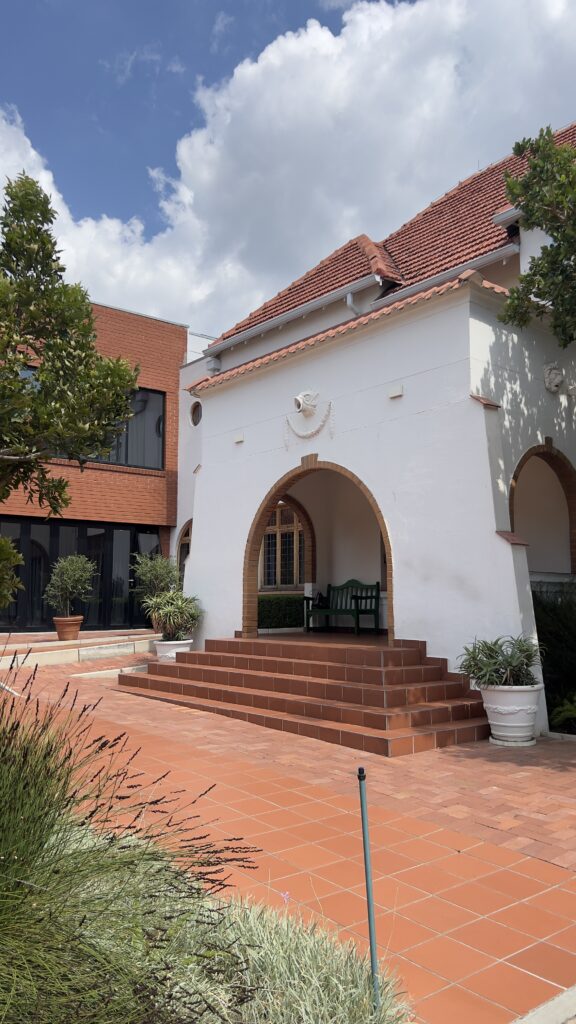
Sanctuary Mandela is located in Houghton, Johannesburg. A quiet, affluent suburb. And it’s the kind of property that feels tucked away from the chaos. You arrive, and everything slows down: quieter streets, calm gardens, and a feeling that the space is intentionally protected.
It’s a great base if you’re exploring Johannesburg.
First Impressions
The moment you walk in, the staff greet you with “Welcome home.” And that’s exactly what it feels like.
There’s warmth, but there’s also reverence, like the entire house knows what it carries. You can feel the care in the details, from the art choices to the handwritten letters on the walls.
The Rooms
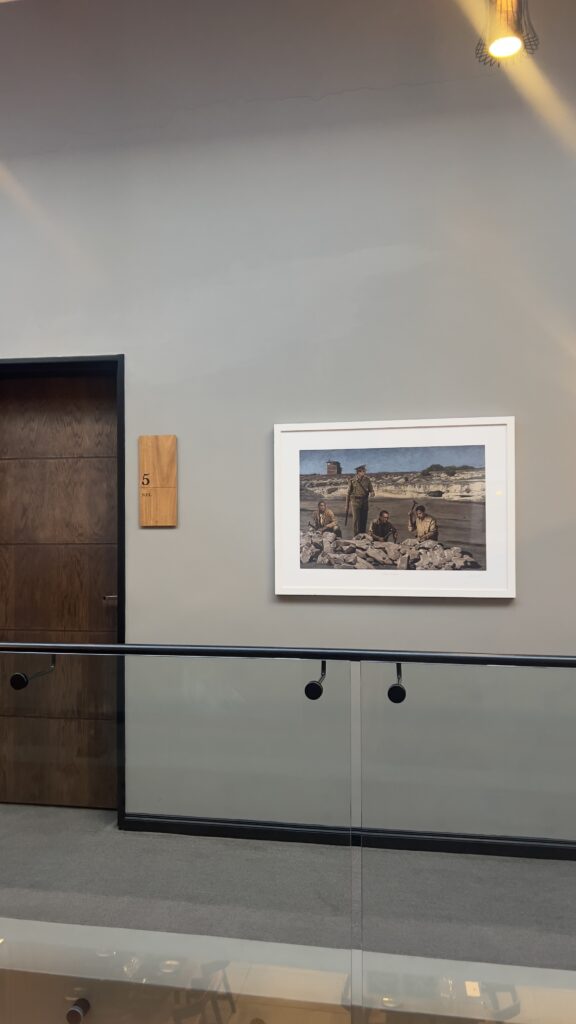
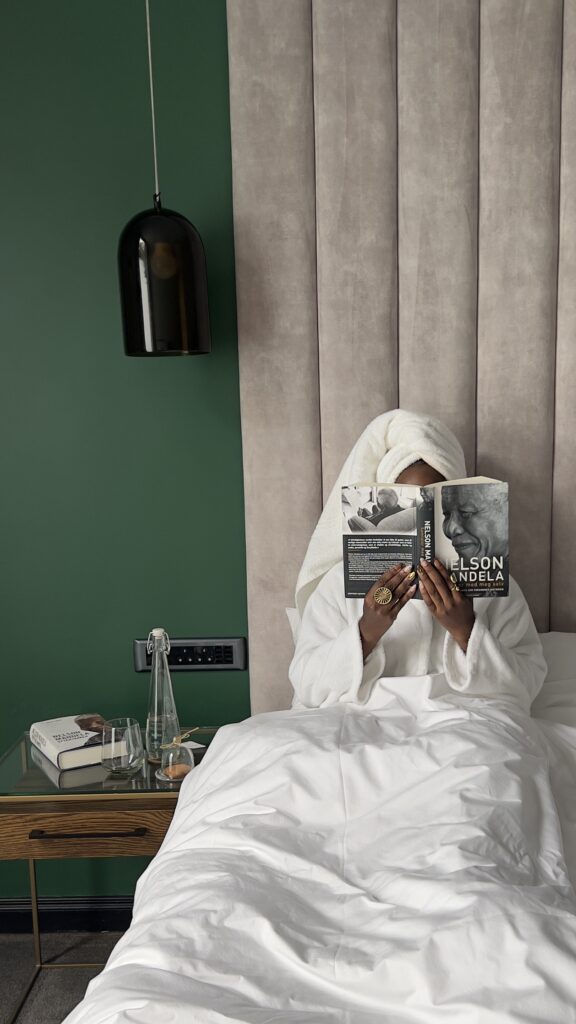
Every room represents a chapter of Mandela’s life, from his childhood and activism to his time as a prisoner and, finally, president and statesman.
We stayed in Room Five, “Nel,” named after one of his nicknames, and you can feel the intentionality in how it’s designed. It’s not just beautiful, it tells a story.
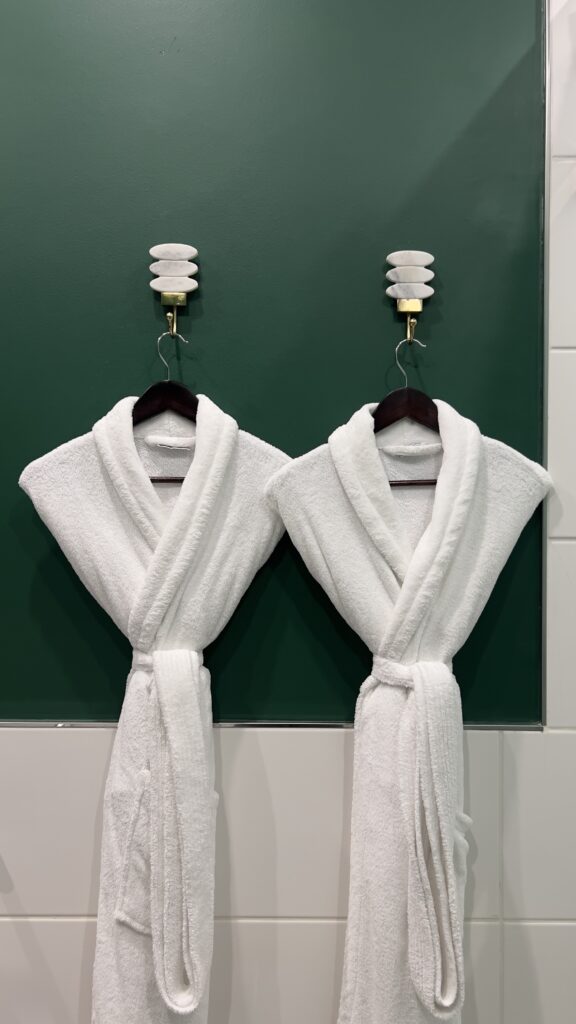
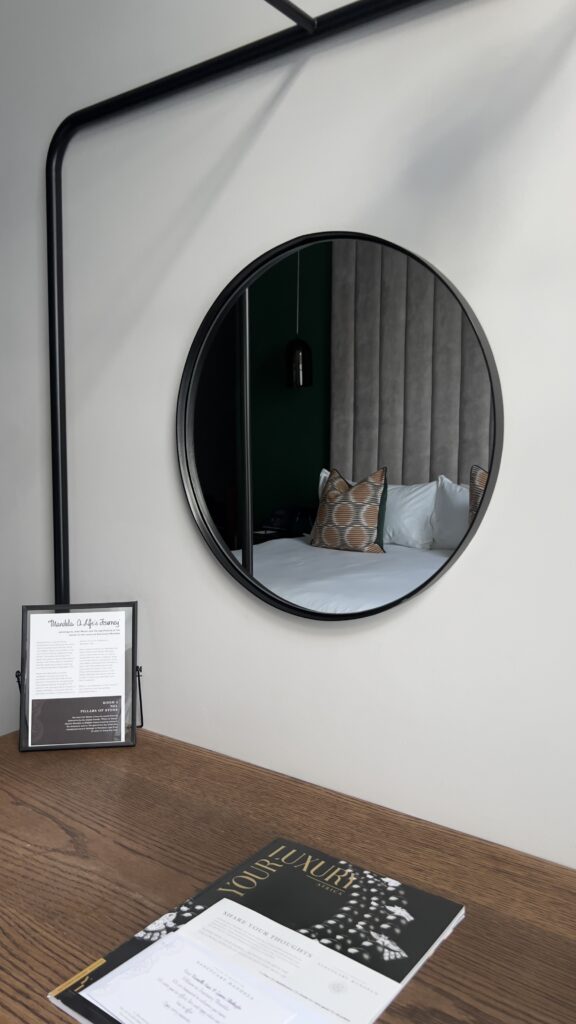
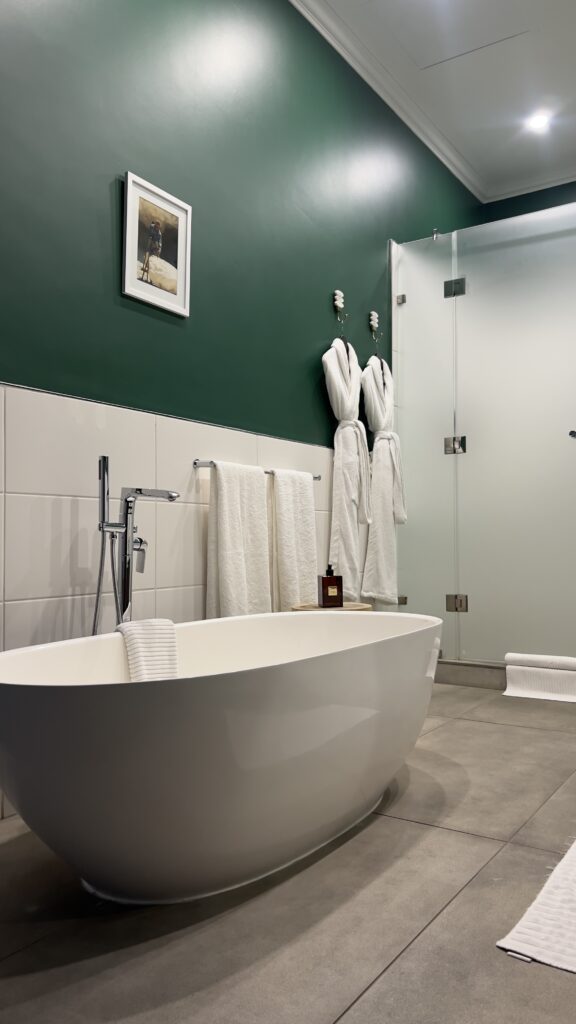
One of the most powerful details is that Room One, “Mr President,” was his actual bedroom, with some of his personal belongings preserved. It’s the kind of thing that makes you pause mid-step.
The Food
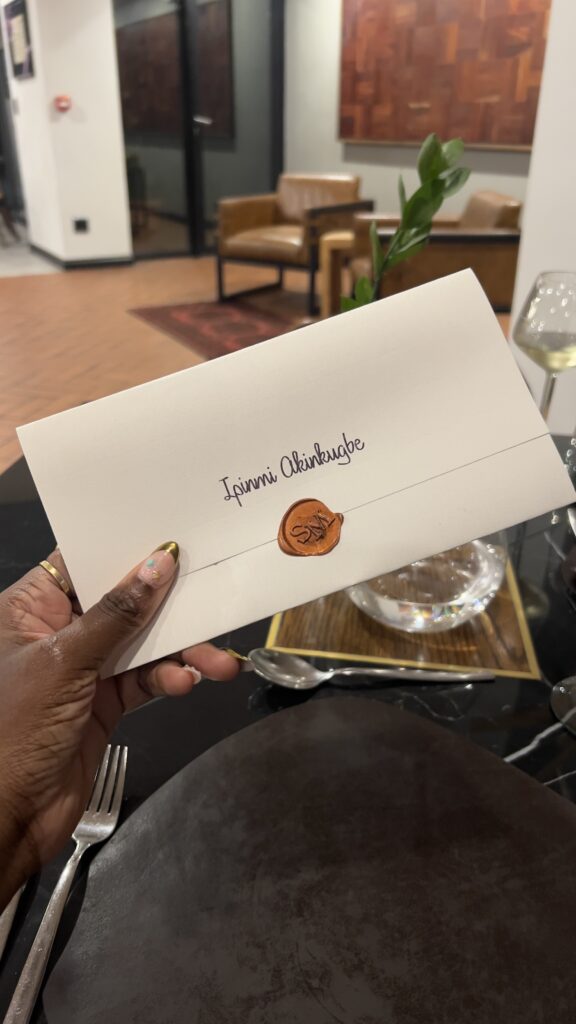
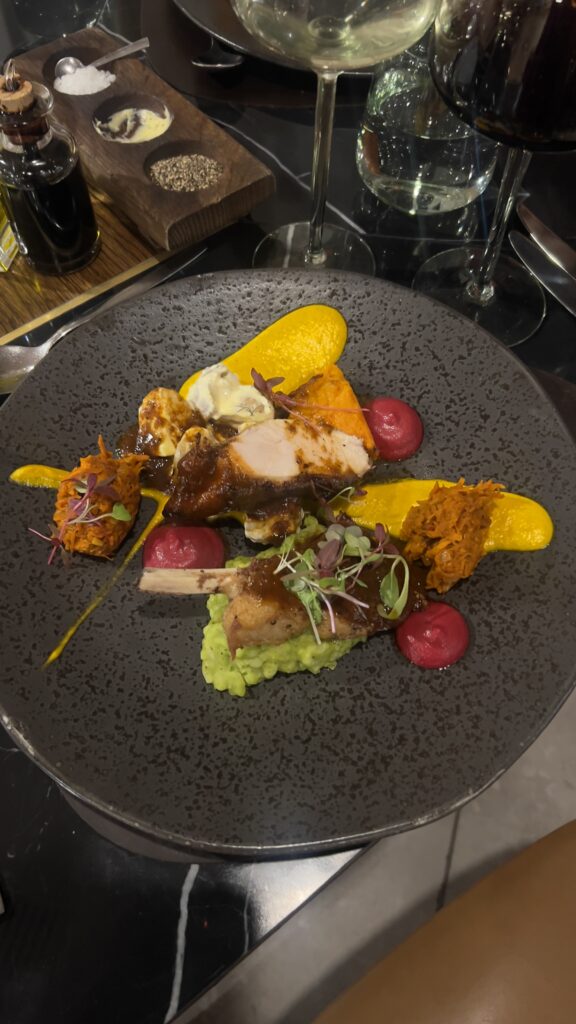
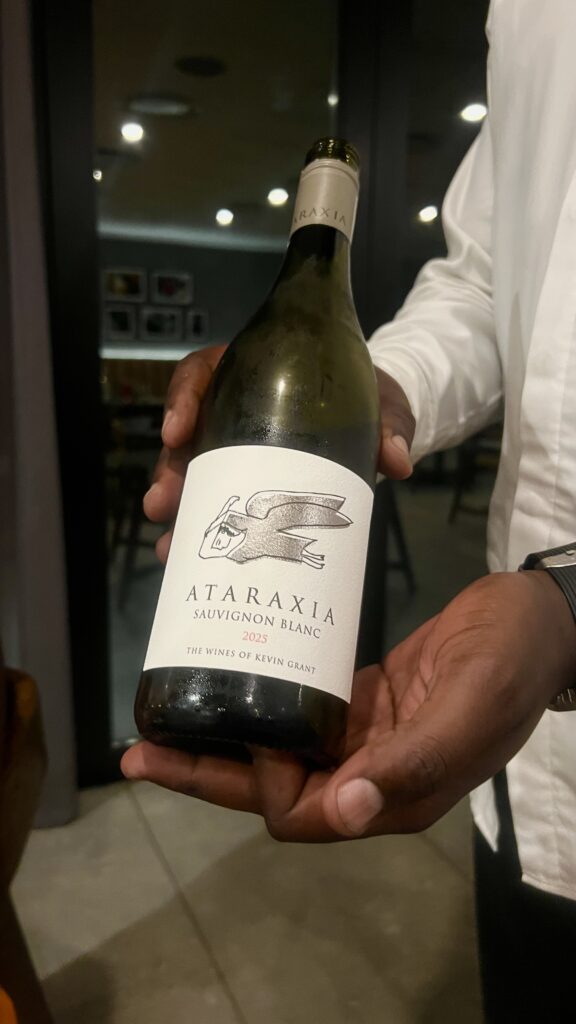
Even the food here is storytelling. Meals and wines are inspired by Mandela’s favourites, including traditional South African dishes such as Seven Colours. It’s not “hotel food.” It’s curated and cultural, and it feels like part of the legacy the space is protecting.
The Property
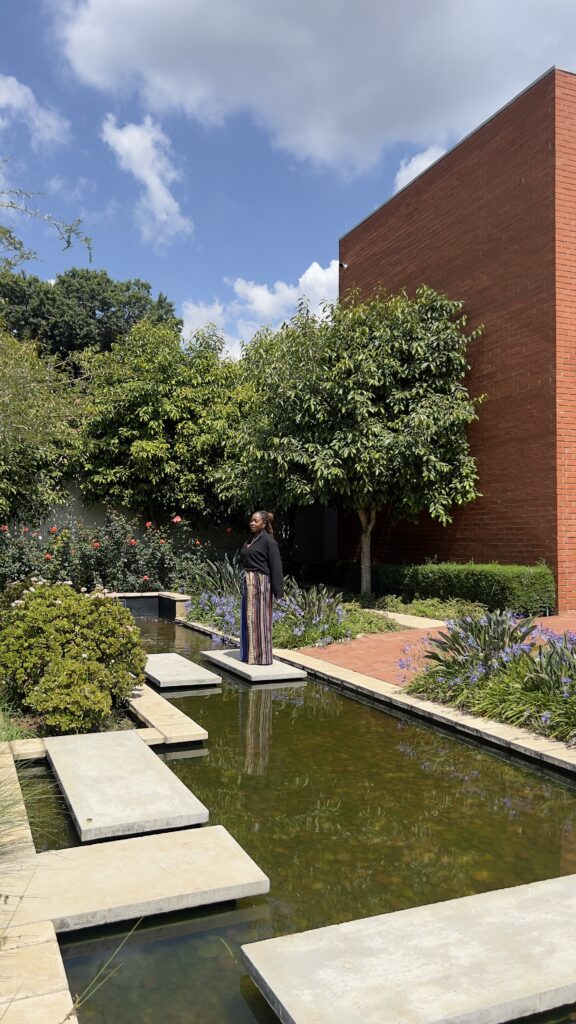
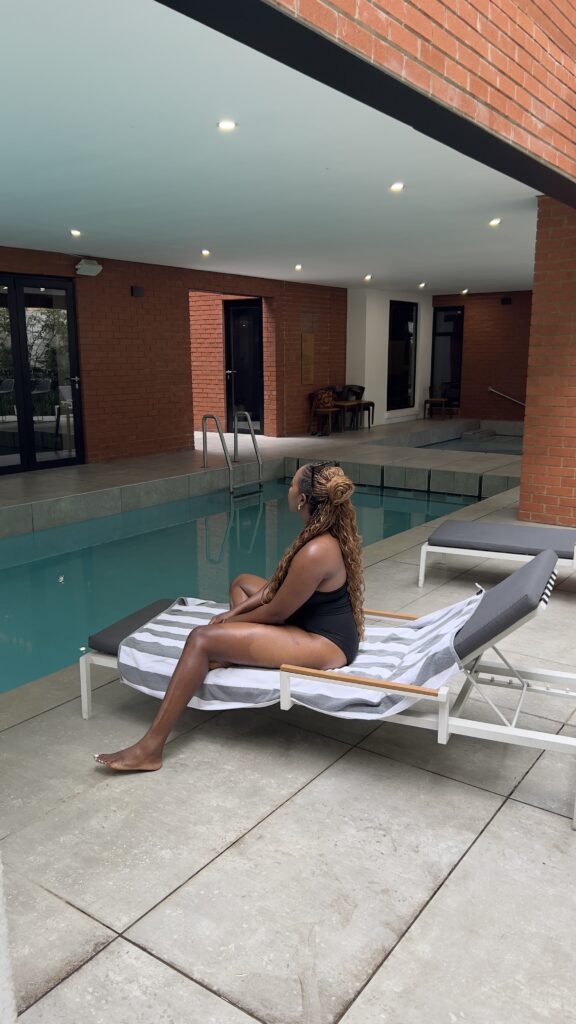
Outside, the gardens are tranquil, the pool area is serene, and the whole property gives you space to breathe. Every corner feels designed for reflection. This is the kind of place you sit in silence without even realising you’ve been quiet for 20 minutes.
Who I Recommend Sanctuary Mandela For
Stay here if:
- You love meaningful travel
- You want a safe, calm base in Johannesburg
- You’re interested in South Africa’s political history
- You want a stay that feels like an experience, not a room
Where to Eat in Cape Town (and a must-try in Johannesburg)
Food in South Africa deserves its own section because the food scene in Cape Town, in particular, is unbelievable. Here are the spots I recommend based on this itinerary, plus one essential stop in Johannesburg.
Cape Town
Brunch
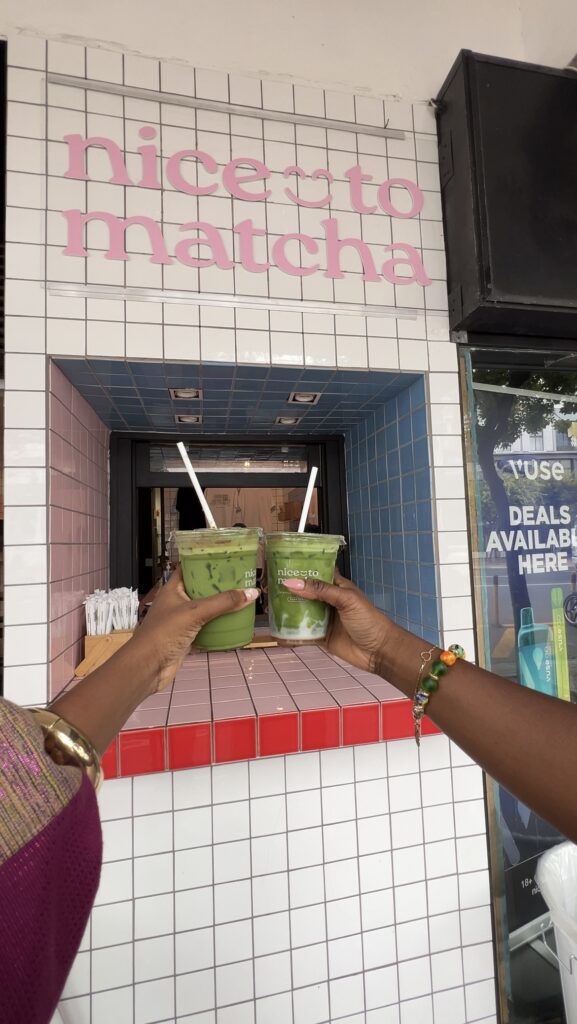
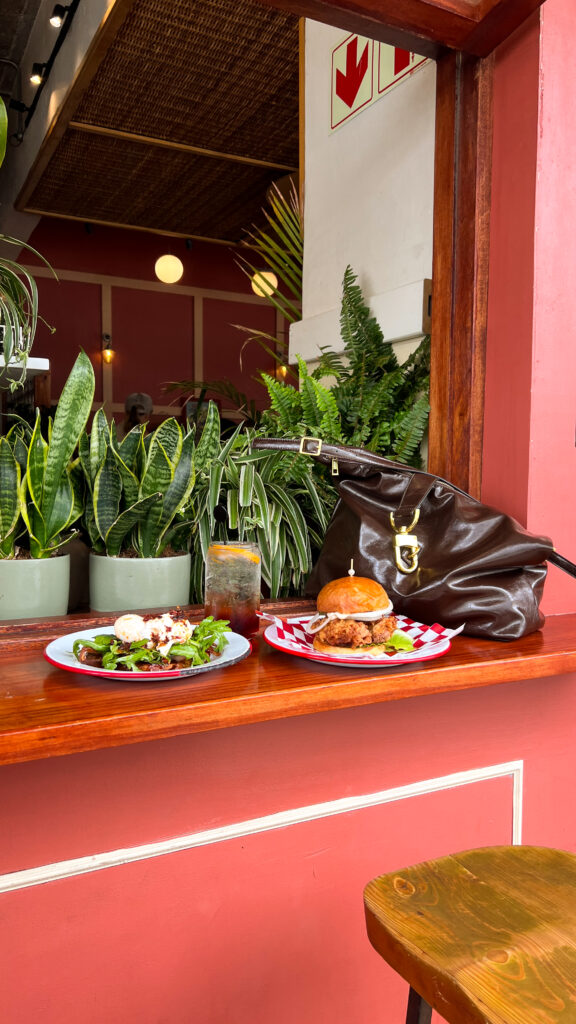
- Maggy Lou’s – a perfect Cape Town brunch stop when you want good food without overthinking the plan. Great before/after exploring Sea Point or doing a chilled morning.
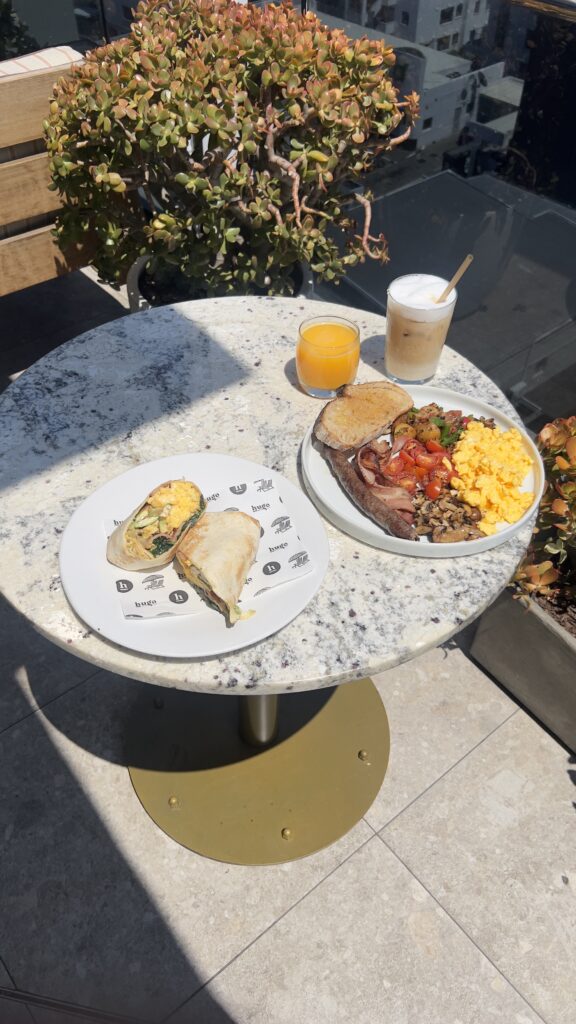
- Hugo Social Club – ideal for brunch; it offers delicious food and amazing views.
- Nice to Matcha – great matcha!
Markets + casual bites

- Oranjezicht City Farm Market – my favourite “try a bit of everything” spot. It’s perfect for grazing, light bites, and a relaxed evening when you don’t want a full sit-down restaurant.
Dinner spots
- Kloof Street House – a go-to for a proper dinner night; you can try exotic meats like ostrich, and the service is amazing!
- The Bungalow – best for a sunset dinner after a full day (especially if you’re coming back from Simon’s Town / Chapman’s Peak).
- The Lawns – another great sunset option when you want a relaxed, scenic end to the day. The drinks here are great!


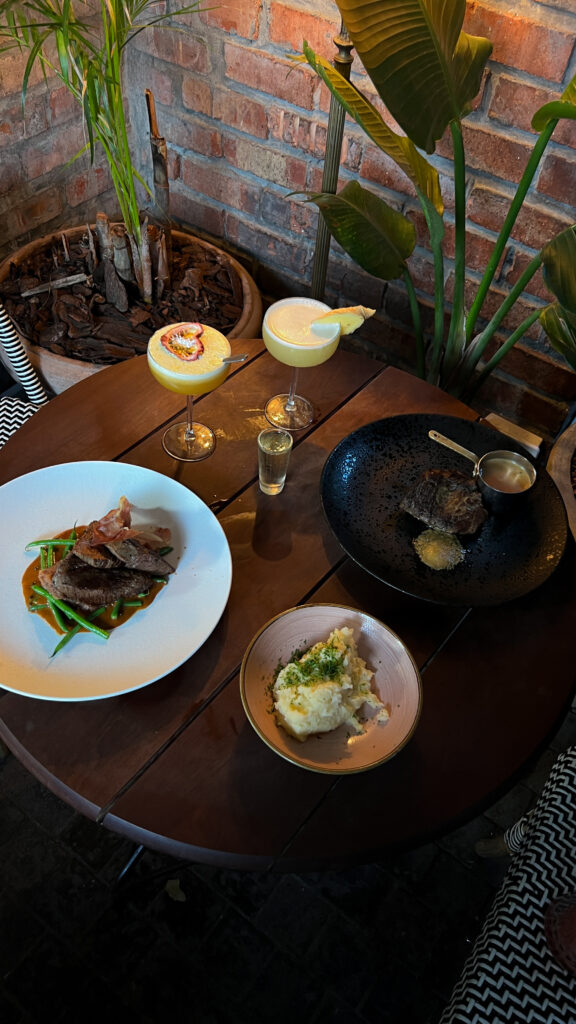
Quick food-planning tips (so you don’t overspend)
- If you want your trip budget to stretch, do fewer fancy dinners and mix in markets + casual meals.
- For the “big” restaurants (sunset/view spots), book ahead — Cape Town gets busy fast in peak season.
- Build your food plans around your route: pair Sea Point days with nearby spots, and do V&A Waterfront meals on your museum/waterfront days.
Johannesburg

- Zigny and Braai – if you want to eat traditional South African dishes, you need to eat here! I ordered steak, chicken, pap and veggies, and I’m still thinking about it.
- Fourways Farmers Market – for a relaxed Sunday with live music and light bites.
15 Bucket-List Things to Do in South Africa
South Africa is the kind of destination where one day you’re sipping wine in a valley surrounded by mountains, the next you’re face-to-face with elephants in the wild. It’s a country that somehow balances cosmopolitan city life, raw natural beauty, and deep history, often all in the same trip.
I spent time in both Cape Town and Johannesburg, and came away with a list of experiences that genuinely deserve a spot on your itinerary.
Bucket list Things to do in Cape Town
1) Take the cable car up Table Mountain
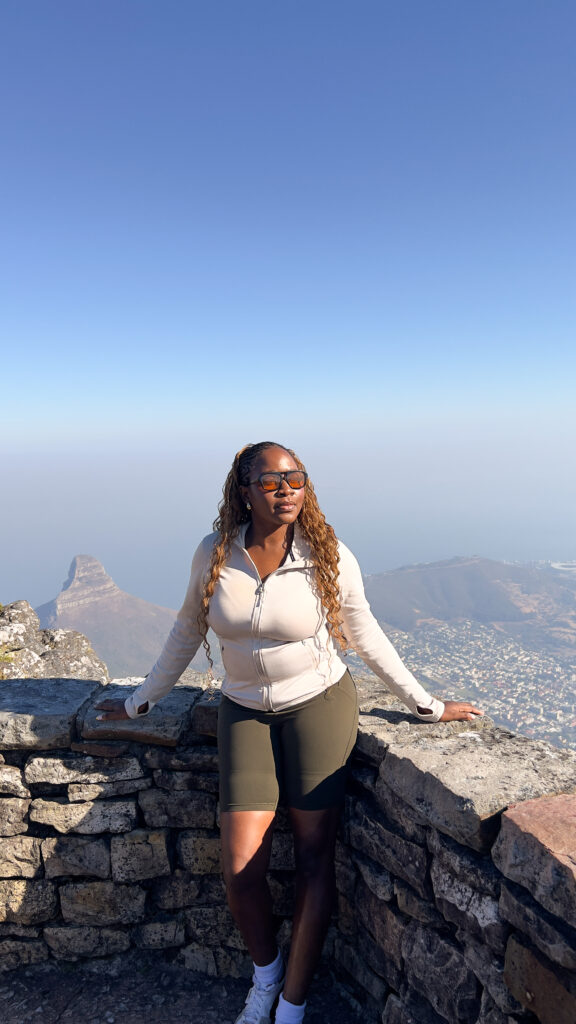
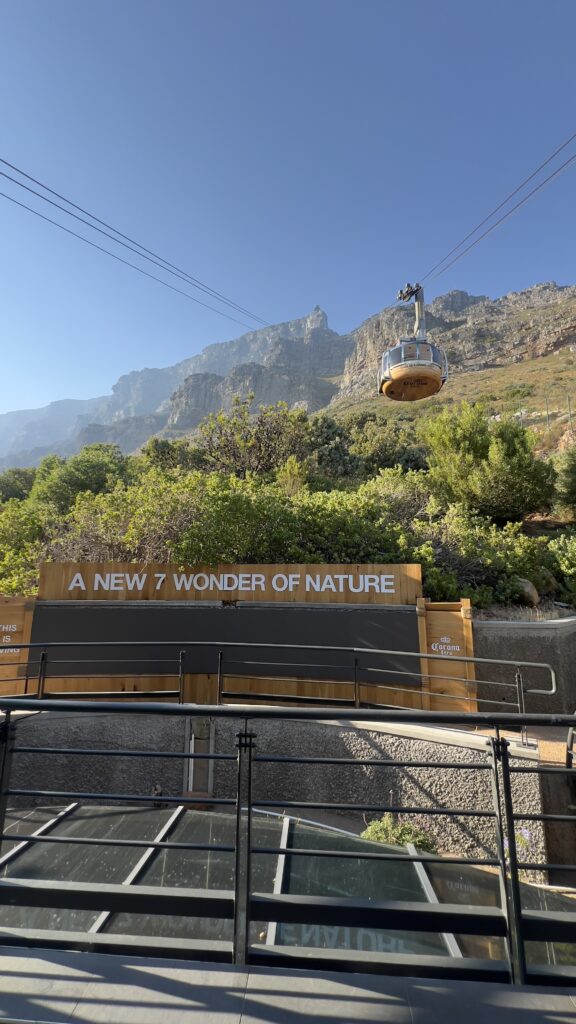
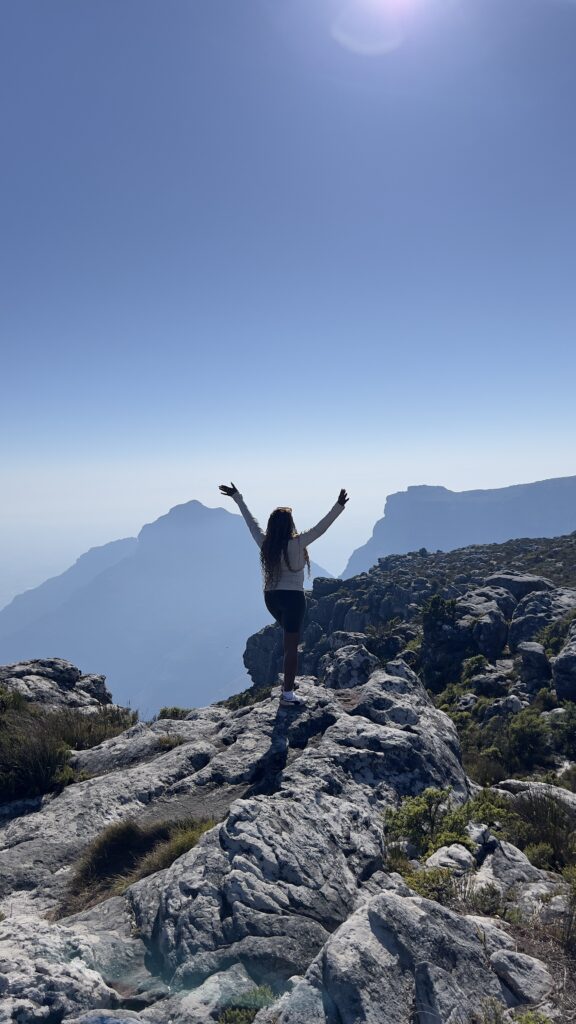
Table Mountain is the icon for a reason, but it’s completely weather-dependent. When the clouds roll in, the mountain literally vanishes. So don’t lock this into a specific day; keep it flexible.
My advice is to set aside at least two days for this and aim to arrive about an hour before opening, when crowds are smaller and visibility is clearer. If the weather isn’t cooperating, reschedule.
Opening hours: 8 am – 7 pm. Please double-check the website, as hours vary by season.
Price: R450
2) Explore Bo-Kaap early in the morning
Bo-Kaap is one of the most photographed neighbourhoods in Cape Town, with rows of brightly painted houses lining cobblestone streets against the backdrop of Signal Hill. But it’s more than just a pretty picture.
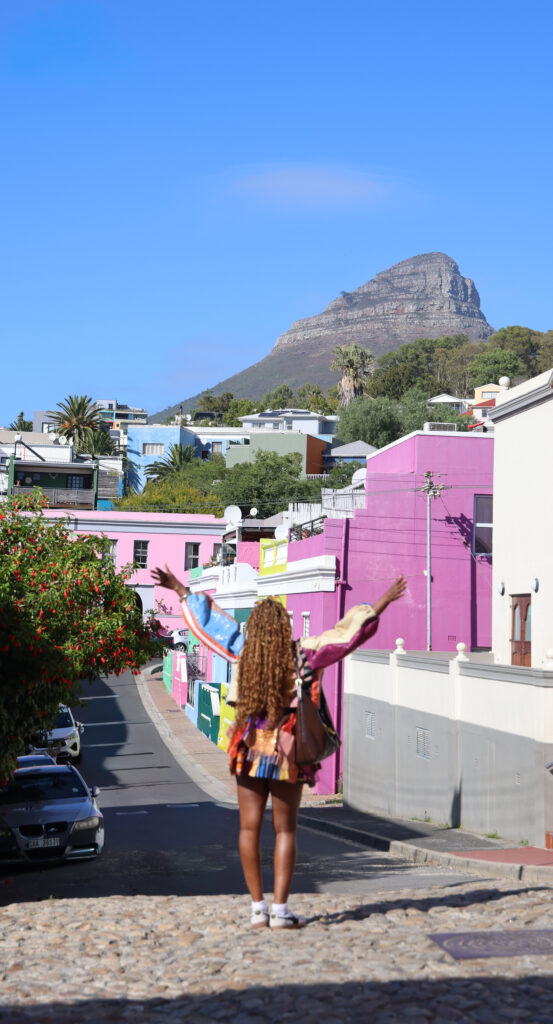
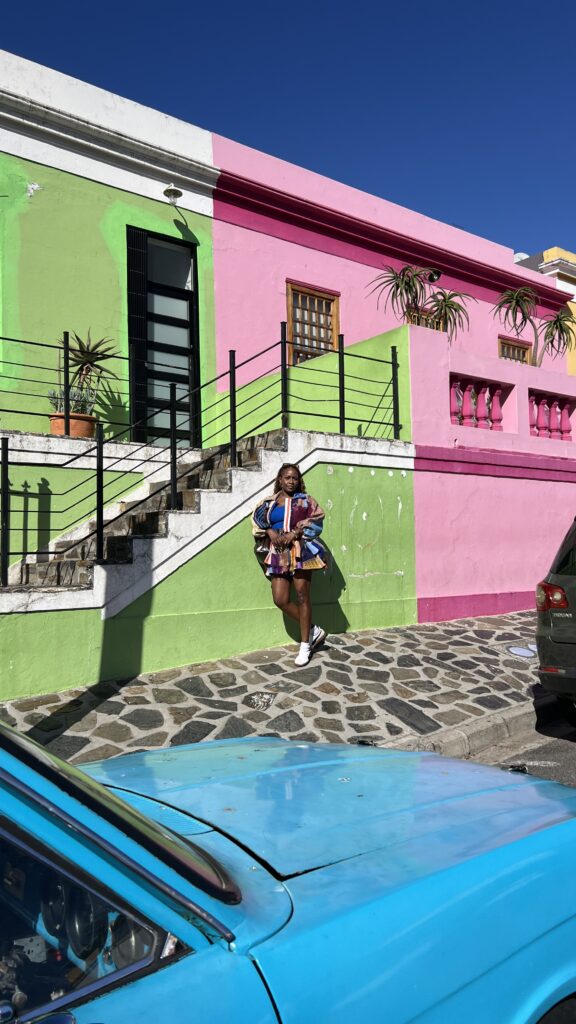
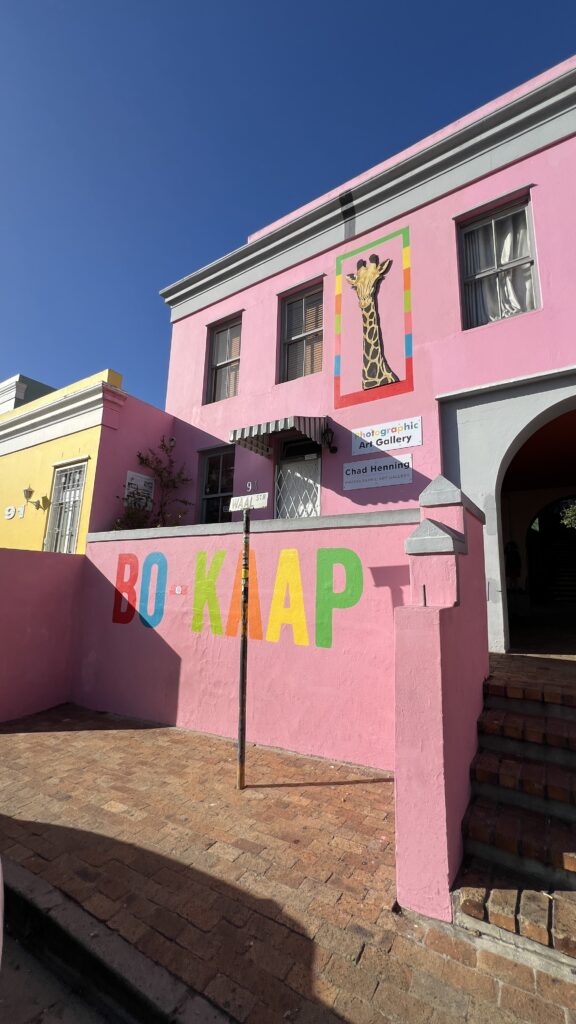
This area has a rich history dating back to the 1760s when it became home to enslaved people brought to the Cape from Southeast Asia, Africa, and other parts of the world. After emancipation, many of the community, who were Muslim, stayed and built a vibrant cultural identity here. The colourful houses are said to represent freedom and celebration after years of oppression, though some locals say the tradition started simply because residents wanted to express individuality.
Visit early, before the tour buses arrive. Walk slowly, read the signs, and take it in properly rather than rushing through for a photo.
Tip: Start near the Iziko Bo-Kaap Museum on Wale Street and wander from there.
Price: Free
3) Visit The Zeitz MOCAA (Museum of Contemporary African Art)
Zeitz MOCAA is one of the most impressive museums I’ve ever been to, and I’m saying that as someone who doesn’t always love museums. The building alone is worth the visit. It’s a converted grain silo with carved-out tunnels and atriums that make you feel as if you’re walking through a sculpture.
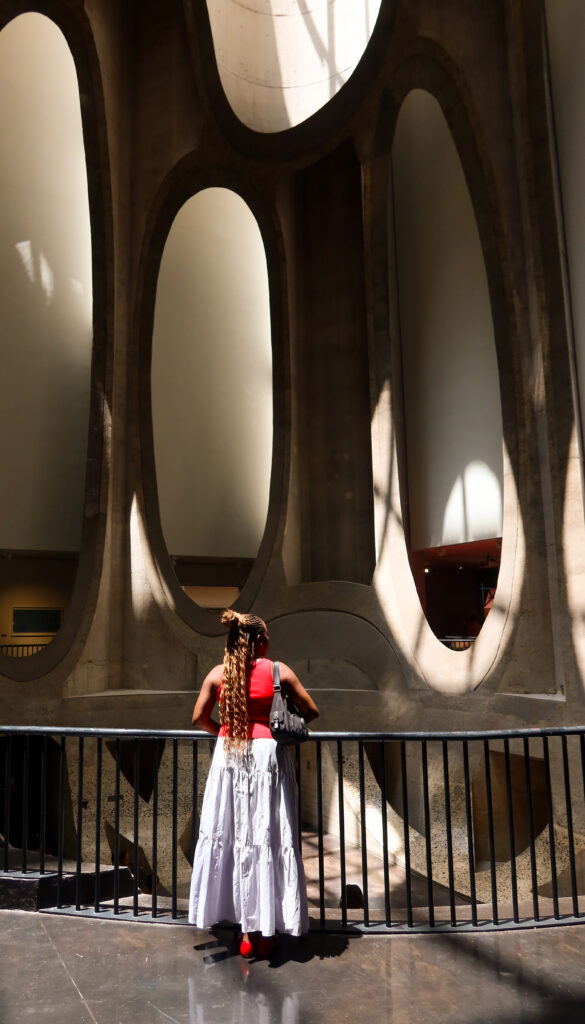
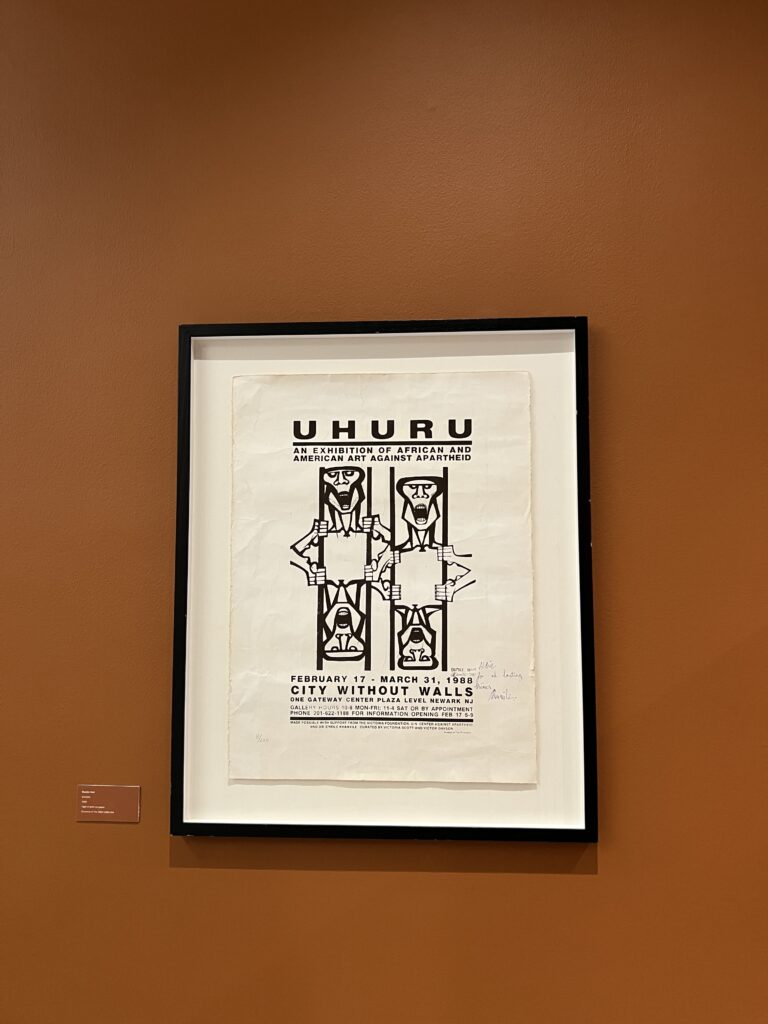
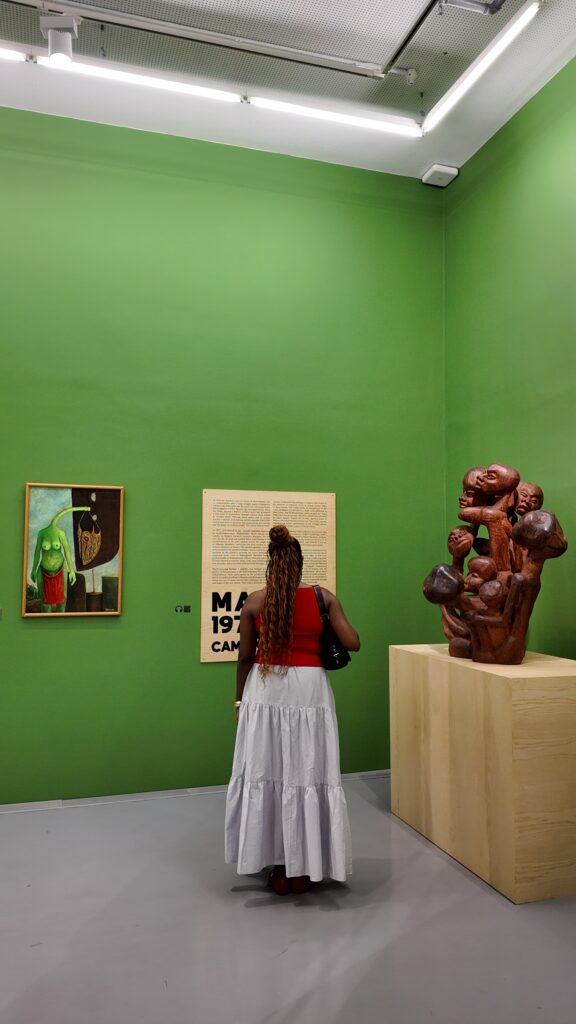
The art itself is powerful, thought-provoking, and entirely focused on contemporary African artists. It is the largest museum of contemporary art from Africa and its diaspora. If your trip has been heavy on outdoor activities and beaches, this is a perfect balance and a great backup plan for a cloudy day.
Opening hours: 10 am – 6 pm, closed Mondays.
Price: R265. You can buy your tickets at the museum.
4) Do a sunset cruise
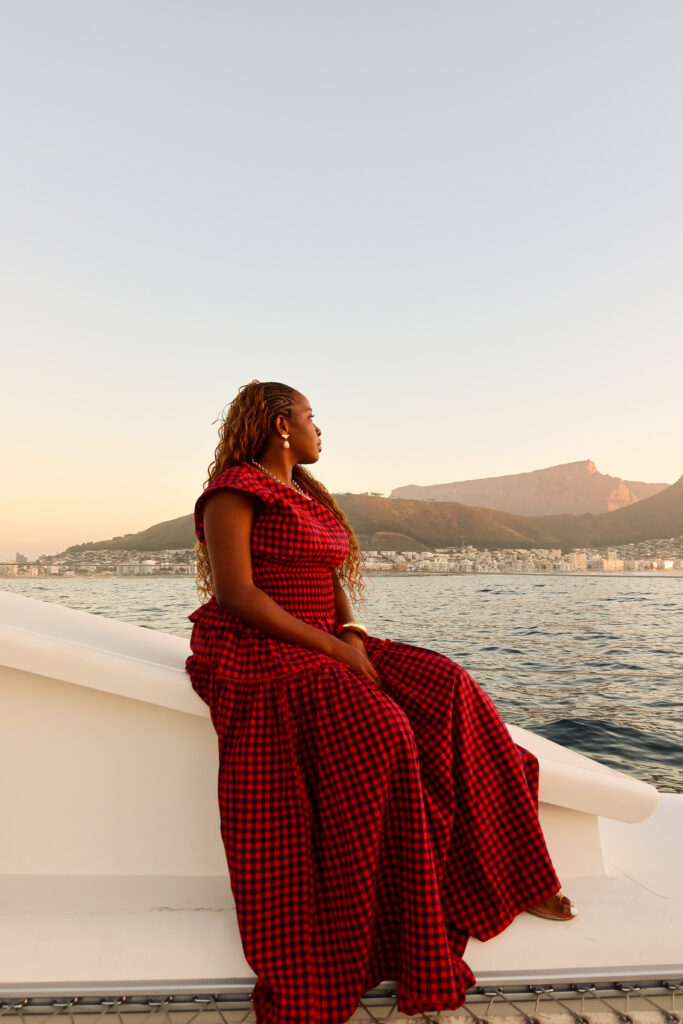


Cape Town sunsets are ridiculous. Watching one from the water, with Table Mountain glowing behind you, is unreal. So a sunset cruise is an activity you can’t skip!
Just a heads-up: the ocean can get choppy, especially when the wind picks up. If you’re prone to seasickness, take something beforehand.
Price: R650
5) Spend an afternoon at Oranjezicht City Farm Market
This is one of my favourite low-key activities in Cape Town. You go for a quick bite and a drink, and before you know it, two hours have passed, and you’ve tried six different things.
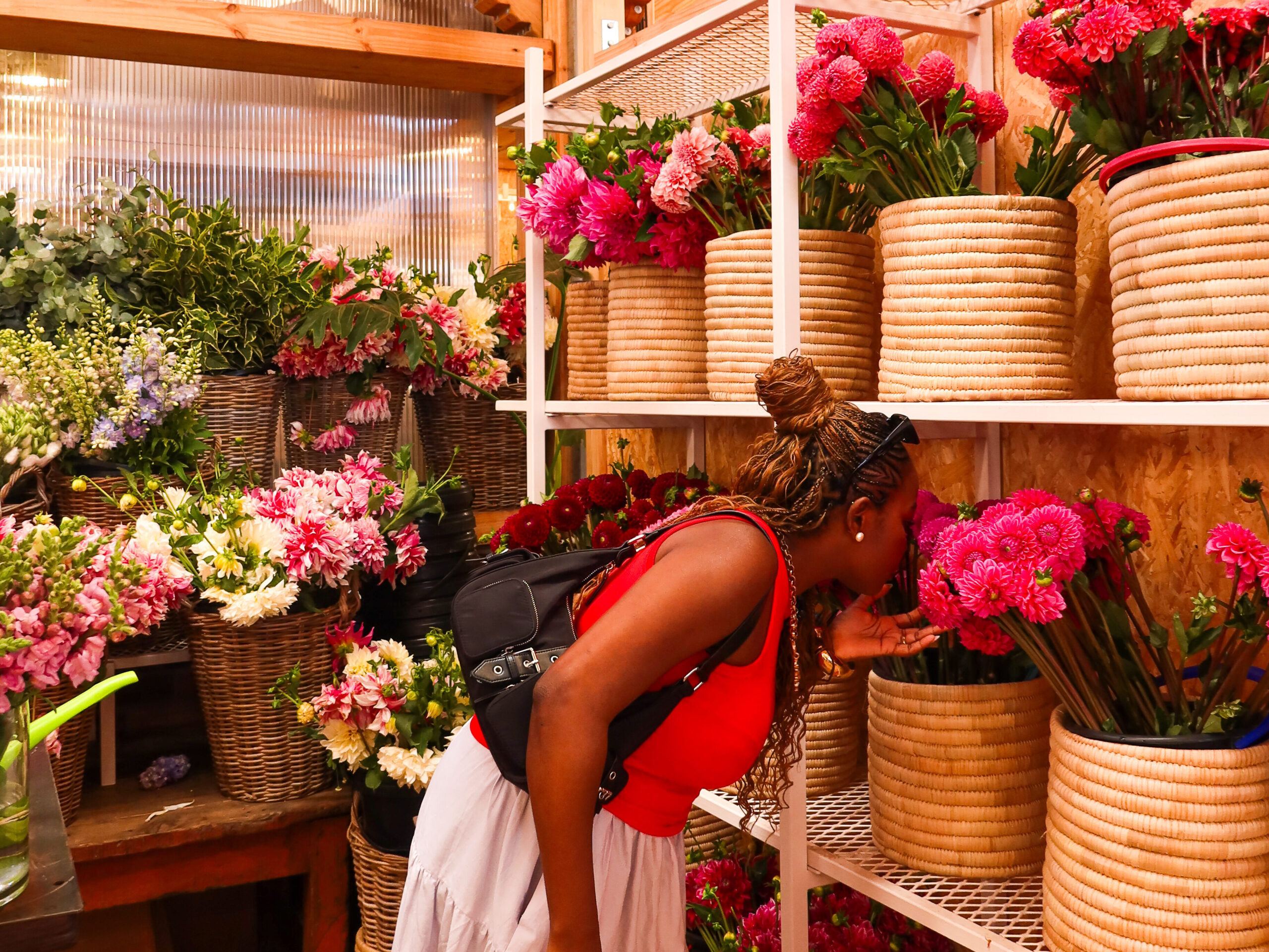
It’s relaxed, the food is great, and the people-watching is elite. Perfect for a chilled afternoon or an easy dinner alternative.
Must know: it is completely cashless
Opening hours: Saturdays: 8 am–2:30 pm, Sundays: 8:30 am–2:30 pm, Wednesdays: 4 pm-10 pm
6) Take a day trip to Franschhoek for wine tasting
Franschhoek is about an hour and a half from Cape Town, and it’s one of the most beautiful day trips you can do. Rolling vineyards, dramatic mountains, and wine tastings that feel like an occasion.
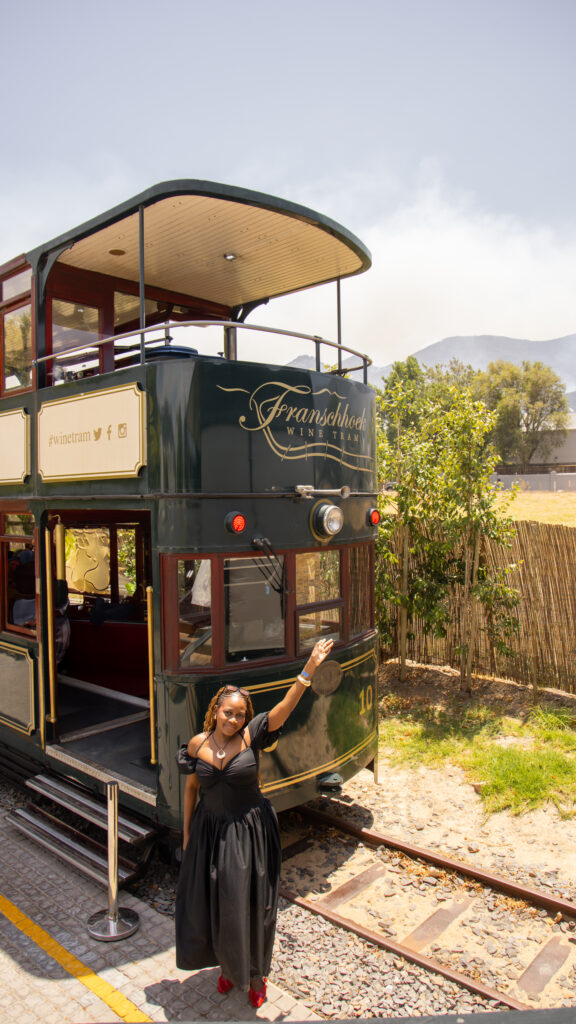
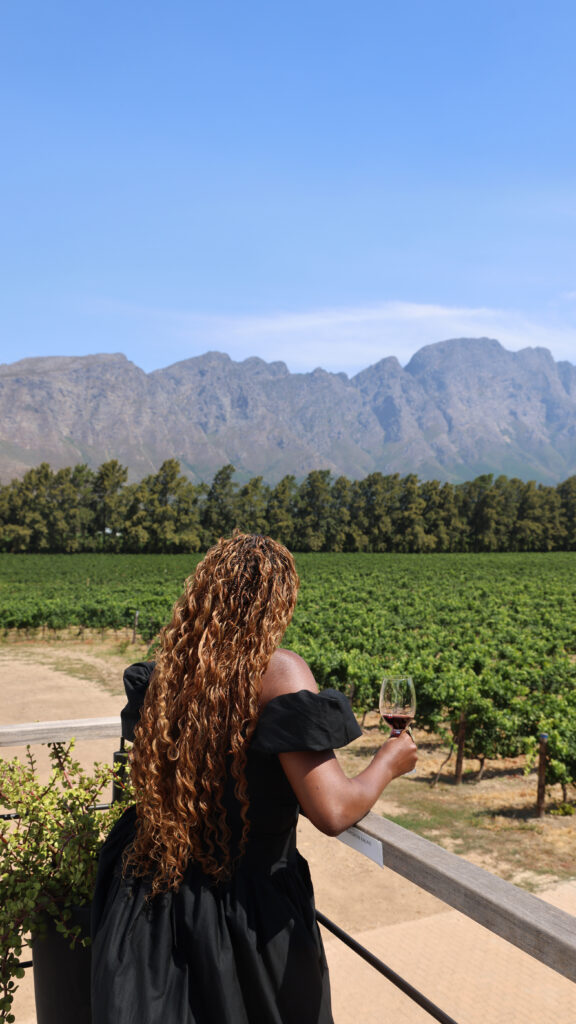
The trick is not to overdo it. Stick to three or four estates so you can enjoy the experience rather than rushing between them. I’d recommend Klein Goederust; it’s the only fully black-owned wine estate in Franschhoek and La Bri for incredible views and a wine with biltong pairing that’s surprisingly perfect.
Price: $49-$50 (the price changes depending on the season)
7) Visit Robben Island
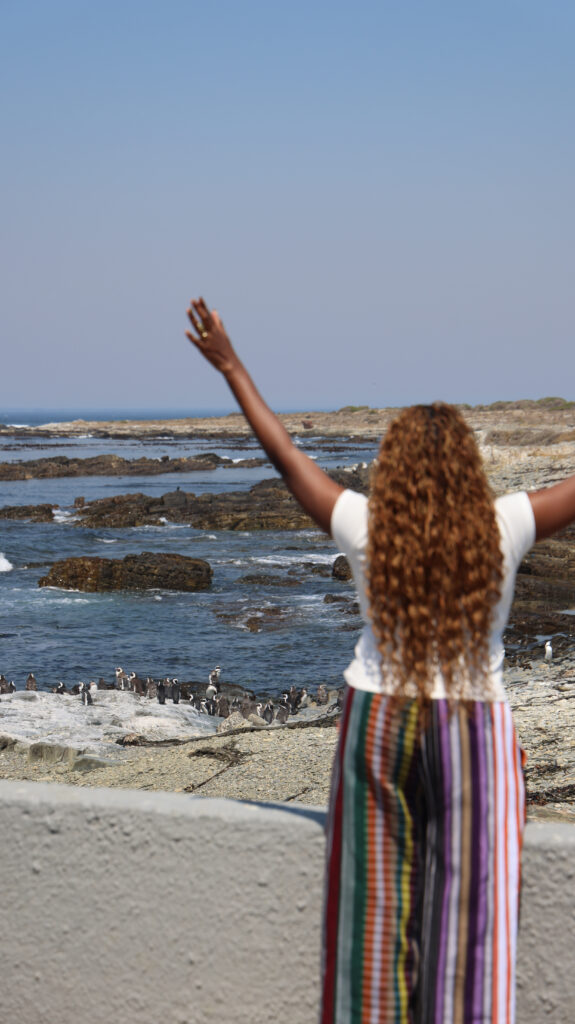
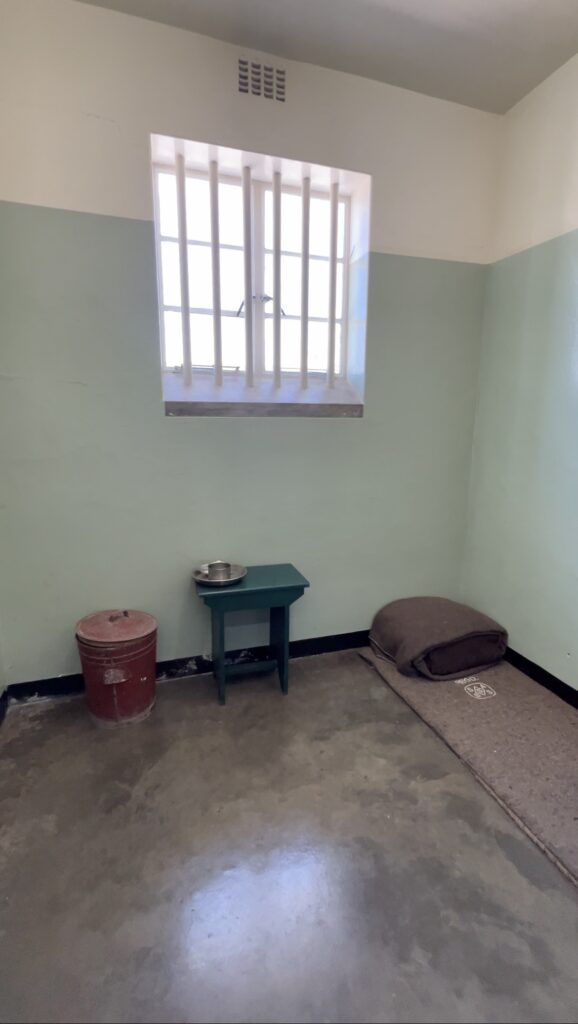
This one isn’t about fun, it’s about meaning. Robben Island is where Nelson Mandela was imprisoned for 18 years, and countless other political prisoners were held during apartheid. The tour includes a ferry ride, a bus tour of the island, and a guided walk through the prison, led by a former political prisoner.
You see Mandela’s cell up close. It’s small, stark, and deeply moving. This experience stays with you.
Tip: Book in advance—tickets sell out, especially during peak season.
Price: R600. For an additional R1400, you can include a walking tour, which starts at 12 pm and lasts 2 hours.
8) Go quad biking at Atlantis Dunes


If you want something completely different from the usual Cape Town activities, this is it. Atlantis Dunes feels like you’ve been dropped into another world, with massive dunes stretching out in every direction, no city in sight.
There’s a small learning curve if you’ve never been on a quad bike before, but once you get the hang of it, it’s pure adrenaline. Also, one of the most photogenic adventure activities near the city.
Price: R1,050
9) See the penguins at Boulders Beach
Boulders Beach is home to a colony of African penguins, and yes, it’s as cute as it sounds. You can watch them waddle around, swim, and do their thing from the boardwalks.
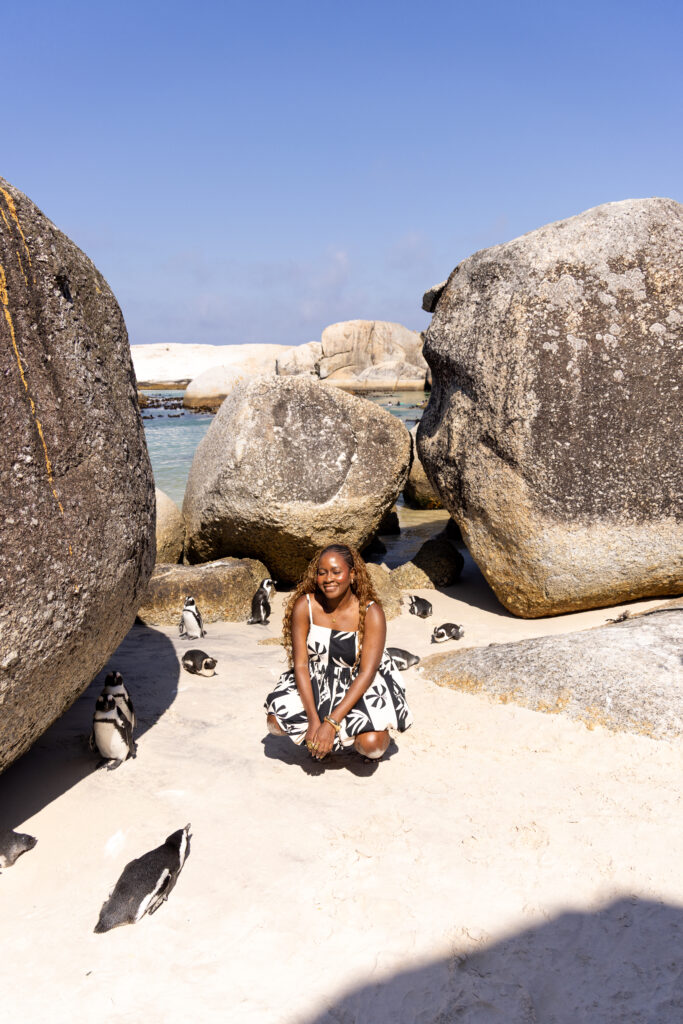
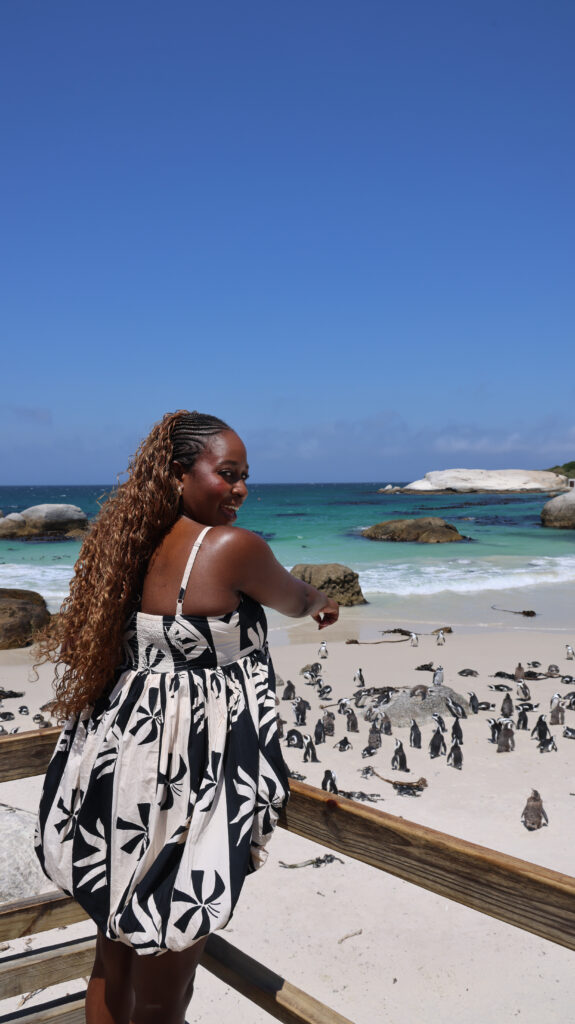
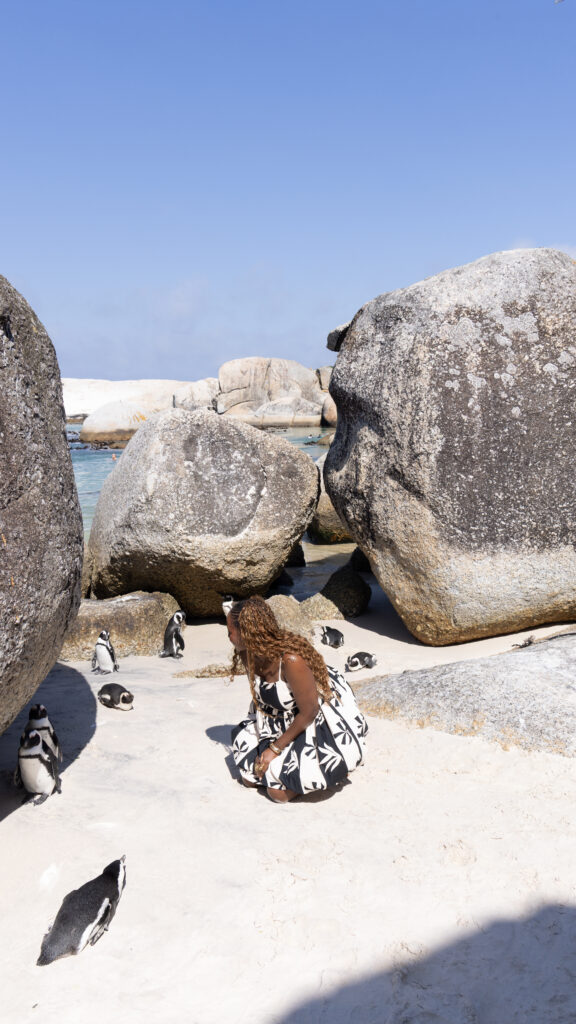
If you want to get closer, head to nearby Foxy Beach. You can climb over some rocks and get much nearer to the penguins; just be respectful and don’t touch them.
Opening hours: 8 am–5 pm (varies slightly by season).
Price: R245 (you can pay at the gate, and no cash is accepted)
10) Drive Chapman’s Peak at golden hour

Chapman’s Peak Drive is one of the most beautiful coastal roads I’ve ever been on. Cliffs on one side, ocean on the other, and views that make you stop and stare.
Time it for late afternoon heading into golden hour, and you’ll get the full cinematic experience. End the drive with dinner somewhere like The Bungalow in Clifton, and you’ve basically had the perfect Cape Town day.
Tip: if you take an Uber to Boulders Beach, you can book one back to Cape Town and pay a little extra to pass through Chapman’s Peak.
11) Beach Day
Cape Town’s beaches deserve their own day. The water is freezing, but the scenery makes up for it.
Clifton 2nd Beach is the classic choice — white sand, big boulders, and that postcard-perfect look. It gets busy, but the vibe is good.
Maiden’s Cove is quieter and has incredible views of the Twelve Apostles. Great for sunset or a more chilled afternoon.
Saunders Rock in Sea Point is a local favourite — more relaxed, less crowded, and perfect if you want somewhere low-key to swim and lounge without the scene.
Related Posts
- 12-day South Africa Itinerary: Cape Town, Kruger & Johannesburg

- 13 Bucket-List Things to Do in Cape Town, South Africa

- Ultimate Guide to Exploring South Africa in 2026

Johannesburg
12) Take a guided tour of Soweto
Soweto is one of the most historically significant places in South Africa. This township was at the heart of the anti-apartheid movement, and walking through it with a knowledgeable guide brings that history to life in a way no textbook ever could. We were given a tour of the Elias Motsoaledi informal settlement.
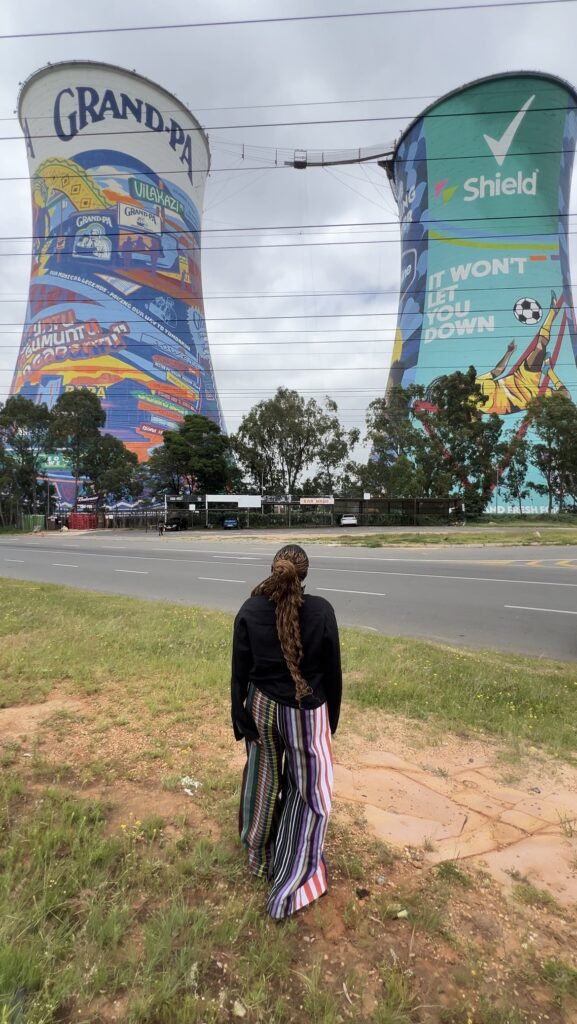
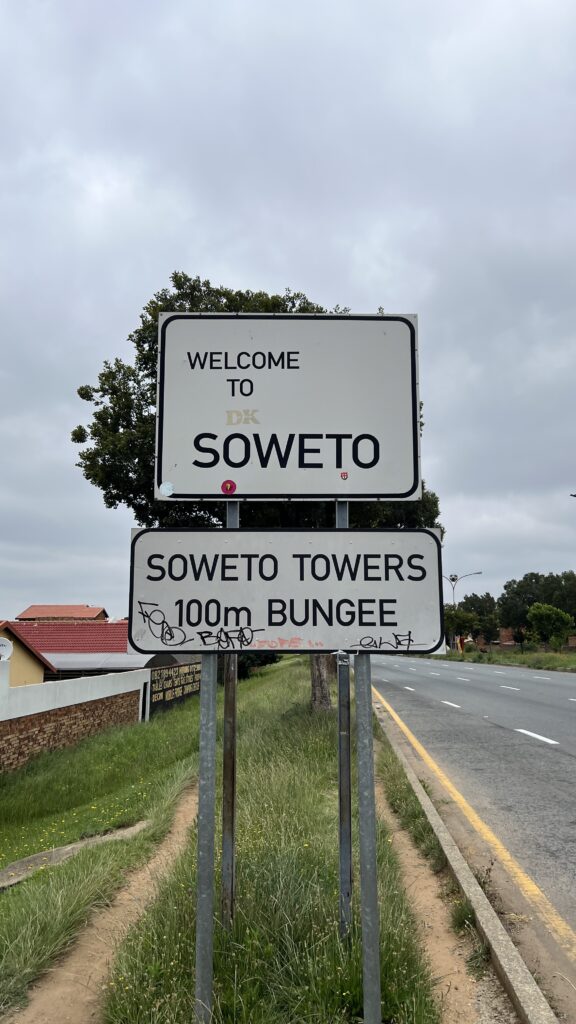
You’ll likely visit Vilakazi Street — the only street in the world where two Nobel Peace Prize winners lived (Nelson Mandela and Archbishop Desmond Tutu). You’ll see the Hector Pieterson Memorial, which honours the students killed during the 1976 uprising. And you’ll hear stories from people who lived through it.
This isn’t poverty tourism; it’s an opportunity to understand a crucial part of South Africa’s past and present. Go with a reputable local guide and approach it with respect.
Price: $68
13) Experience Joburg’s nightlife
Johannesburg knows how to party! The city has a thriving nightlife scene, from chilled rooftop bars to full-on clubs where the energy doesn’t stop until sunrise.
Areas such as Braamfontein and Maboneng attract a younger, creative crowd, while Sandton offers a more upscale vibe. If you want something uniquely Joburg, look for spots playing amapiano. There’s nothing quite like hearing it in the city where it was born.
Where to go:
- A Streetbar Named Desire
- Louis
- Never Rush Sundays
- Liv
14) Wander through Fourways Farmers Market
Fourways Farmers Market is a great way to spend a Sunday morning. It’s large, featuring food stalls, live music, and local vendors selling everything from crafts to fresh produce.
The vibe is relaxed and family-friendly, and you can easily spend a few hours grazing your way through breakfast and brunch. It’s also a nice change of pace if you’ve been doing a lot of sightseeing.
Opening hours: Saturdays & Sundays 9 am–6 pm.
Beyond the Cities
15) Go on safari in Kruger National Park
No trip to South Africa is complete without a safari, and Kruger National Park is the big one. It’s one of the largest game reserves in Africa, home to the Big Five: lions, leopards, elephants, rhinos, and buffalo, along with hundreds of other species.

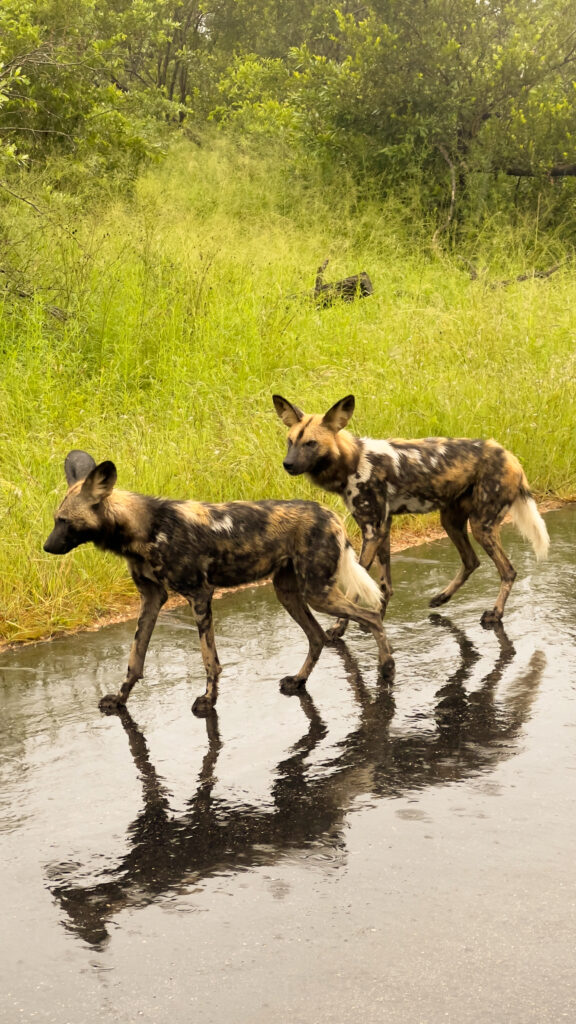
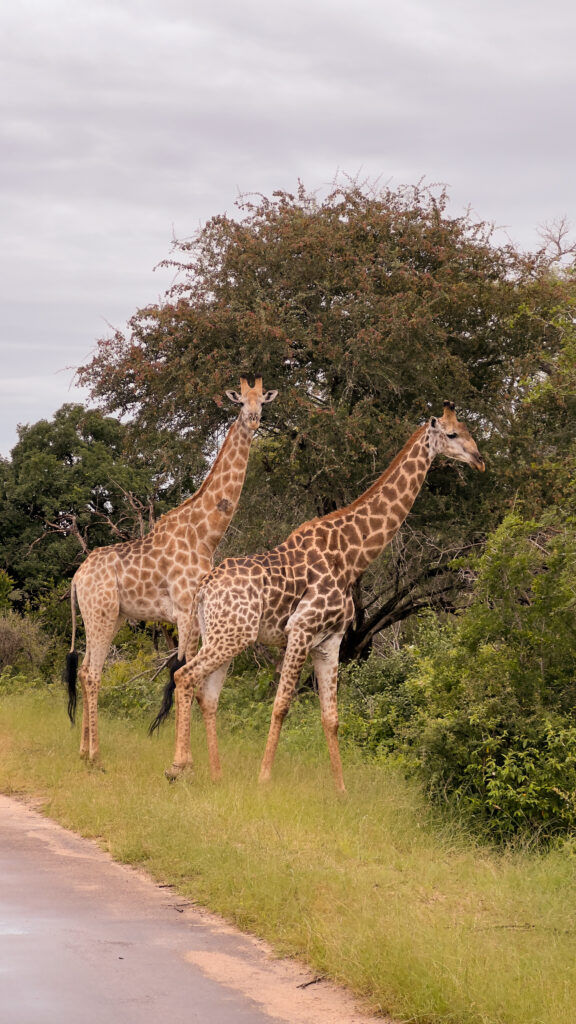
You can self-drive if you want flexibility, or book a guided safari for a better chance of spotting the animals that know how to hide. Early-morning and late-afternoon game drives are best when animals are most active, and the light is beautiful.
Kruger is about a four- to five-hour drive from Johannesburg, or you can fly into Skukuza Airport. A few nights in the park are ideal; they give you time to slow down, disconnect, and fully absorb the experience.
My exact 12-day itinerary (Cape Town, Kruger & Johannesburg)
Day 1 — Arrival in Cape Town
Fly in, check into your hotel, and don’t plan anything else. You’ll be tired from travelling, so use this day to settle in and save your energy for what’s ahead.
Day 2 — Waterfront, Art & Sunset on the Water
Spend the morning wandering the V&A Waterfront, then visit Zeitz MOCAA, the largest contemporary African art museum in the world. The building alone is worth the trip.
In the afternoon, head to Oranjezicht City Farm Market for drinks and light bites, then end the day with a sunset cruise. Fair warning: the boat can get rocky, so pack seasickness meds if you need them.
Day 3 — Colour, History & Flexibility
Start early in Bo-Kaap, one of Cape Town’s most colourful neighbourhoods. The brightly painted houses were created by formerly enslaved people to celebrate their freedom. It’s beautiful and meaningful.
You could do Table Mountain today, but stay flexible. If visibility is poor, move it. Your ticket is valid for seven days, so give yourself a backup window.
Afterwards, brunch at Maggy Lou’s, matcha from Nice to Matcha, and a walk along the Sea Point Promenade. Dinner at Kloof Street House.
Day 4 — Wine Country
Day trip to Franschhoek, about ninety minutes from Cape Town. Stick to three or four wine estates so you can actually enjoy them.
Don’t skip Klein Goederust; it’s the only fully Black-owned estate in Franschhoek. La Bri is also worth a stop for the views and their wine-and-biltong pairing. End the day with a sunset dinner at The Lawns.
Day 5 — History, Then Adventure
Start with sunrise at Maiden’s Cove, then head to Robben Island. The tour includes a ferry ride, a bus tour of the island, and a visit to the prison where Nelson Mandela was held for 18 years. It’s guided by a former political prisoner, and you’ll see Mandela’s cell up close. Heavy but important.
In the afternoon, go quad biking at Atlantis Dunes; the desert landscape is surreal and completely different from everything else you’ll do. Watch the sunset at Clifton 2nd Beach.
Day 6 — The Iconic Cape Town Day
Sunrise paragliding from Signal Hill. You’ll be in the air for 10 to 25 minutes, depending on the wind, floating above the city as it wakes up.
Then, finally, do Table Mountain (weather permitting). Brunch at Hugo’s Social Club for the views.
Afternoon, drive to Simon’s Town to see the penguins at Boulders Beach. If you want to get closer, hop over to Foxy Beach, just don’t touch them.
Drive back via Chapman’s Peak for incredible coastal views, and end with a sunset dinner at The Bungalow.
Days 7–10 — Kruger National Park
Four days in Kruger. Two game drives a day, deep into the night, spotting lions, leopards, elephants, and wild dogs.
Stay inside the park if you can; unfenced lodges like Rhino Post Lodge mean there are no time limits on drives, and animals may wander through camp. This is where you slow down completely.
Fly to Johannesburg on day ten.
Day 11 — Johannesburg
Half-day tour of Soweto, including a visit to an informal settlement and the Hector Pieterson Museum to learn about the anti-apartheid movement.
Spend the afternoon at Sanctuary Mandela, Nelson Mandela’s former home, now a boutique hotel, where you can visit or stay. End the night with drinks at Desire, a local street bar.
Day 12 — Last Day
Walk through Fourways Farmers Market for live music and good vibes. Lunch at Zigny and Braai for authentic South African food. Then head to the airport.
Related Posts
- Natura Luxury Lodge, Benin Republic – is it worth the hype?
- 30+ Things to see and do in Ghana
- Mole National Park, Ghana – Everything you need to know
Budget breakdown: what I spent in 12 days
I’m sharing this because it’s the part missing from so many South Africa travel guides.
Flights
- Lagos to Cape Town & Johannesburg to Lagos on TAAG Angola: $560
- Cape Town → Skukuza: $300/ R4,928 (+ extra luggage)
- Skukuza → Johannesburg: $185/R3,029 (+ extra luggage)
Accommodation (Cape Town)
- The Trade Boutique Hotel (1 night): $148
- Docklands Luxury Apartments (5 nights, my share): $422
Activities
Total: ~$475 (museum, Table Mountain, sunset cruise, Franschhoek, Robben Island, quad biking, paragliding, penguins, Soweto tour)
Food
Approx: $250 total (ranges from $5–$50 depending on where you eat)
Transport
Uber/Bolt: short trips $3–$12, longer rides and airport transfers $10–$20+
Miscellaneous
Approx: $100 (souvenirs + tips)
Final thoughts
South Africa gave me beach city, adrenaline, and culture, all in one trip. If you’re planning your 2026 trip, save this South Africa travel guide and come back when you’re ready to book.
Save this to plan your South Africa trip!



You May Also Like